
Seaford Natural History Society Mammal survey!
Mammals are all around us, yet very under-recorded. When we moved back to Sussex at the end of 2023, I was surprised to see how few mammal records there were in the Eastbourne and Seaford area, even of very commonly seen mammals such as foxes or rabbits.
There is an online atlas of mammal records in Sussex available to see on the Sussex Biological Record Centre. It shows records held by the record centre. I do not know when this was last updated, but it is certainly not since 2023. According to the online atlas, the top ten mammals recorded in Seaford are:
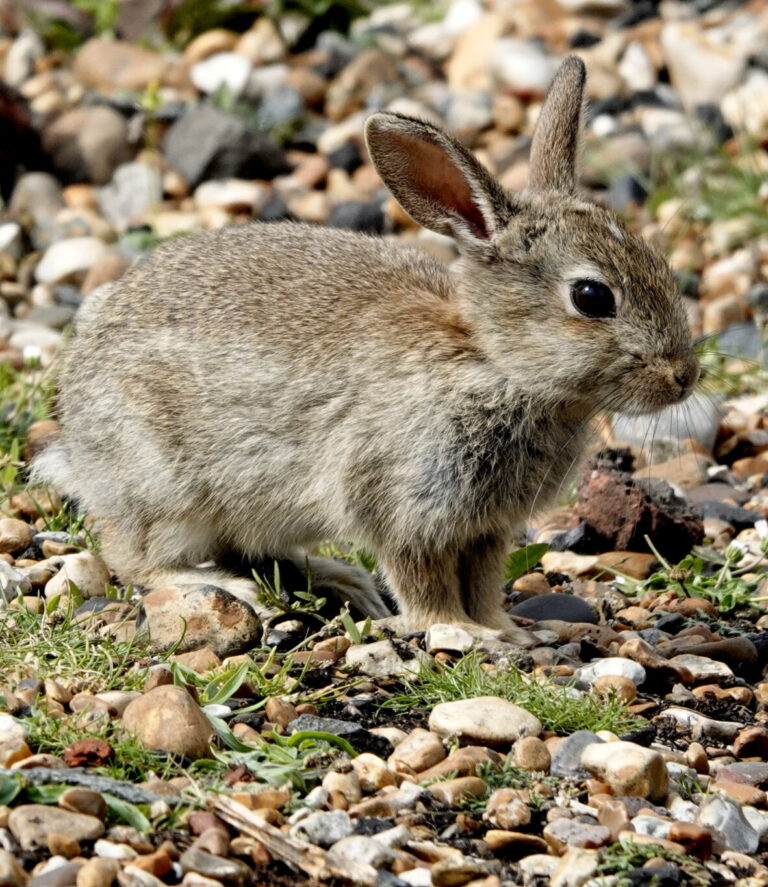
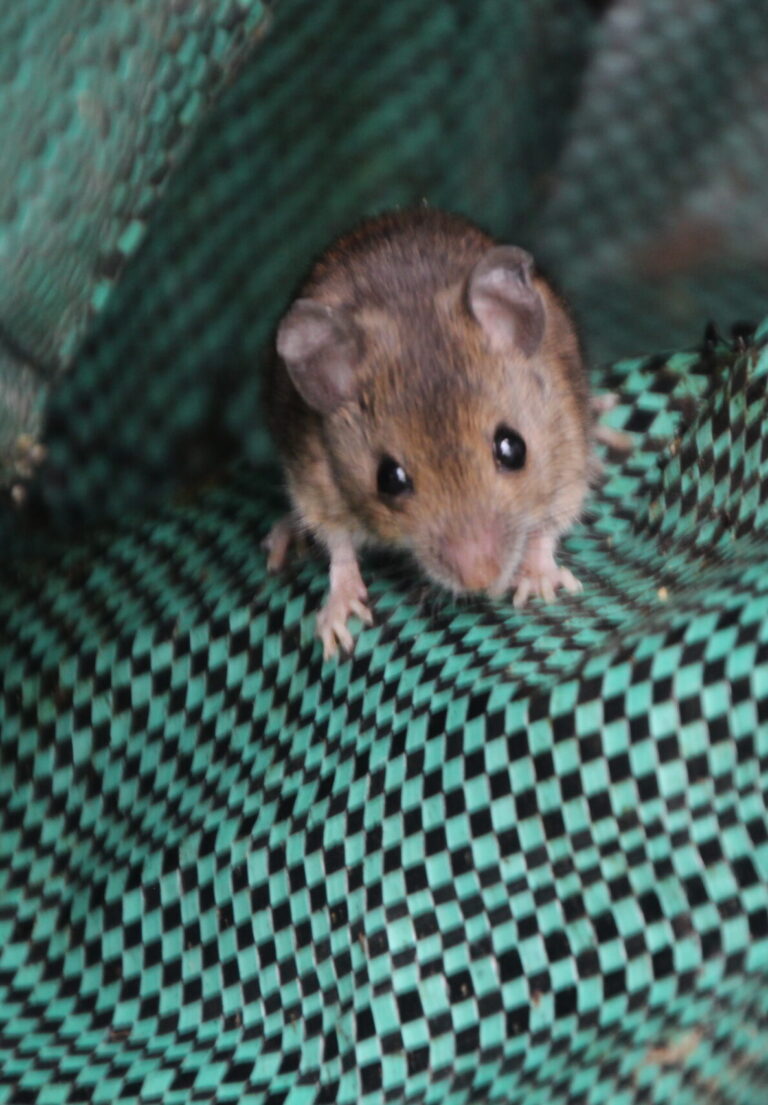
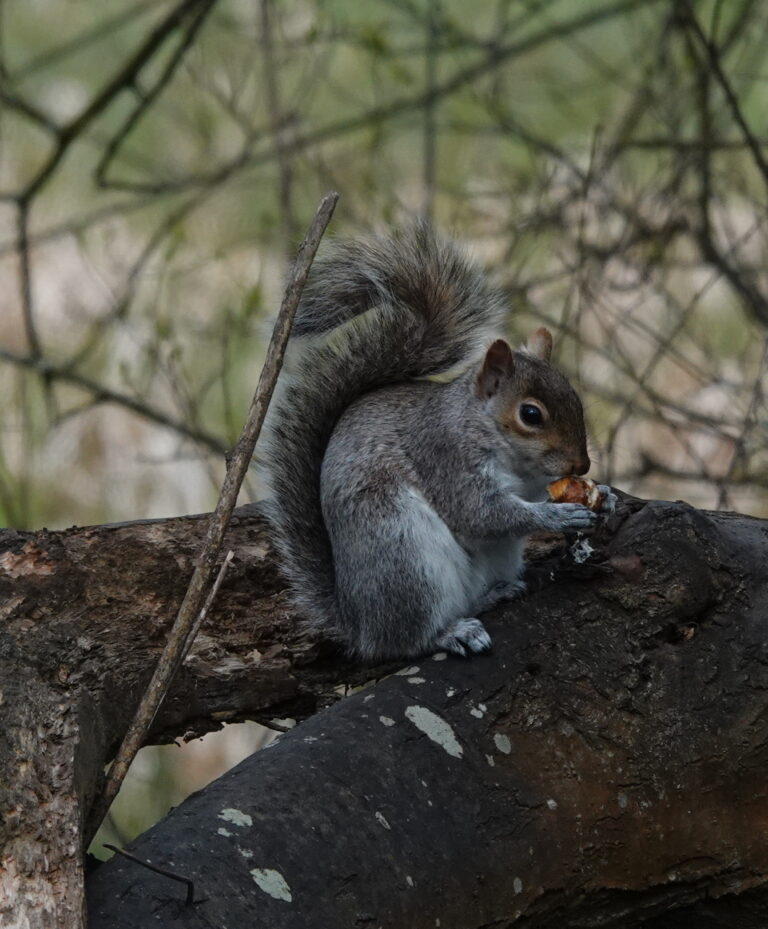
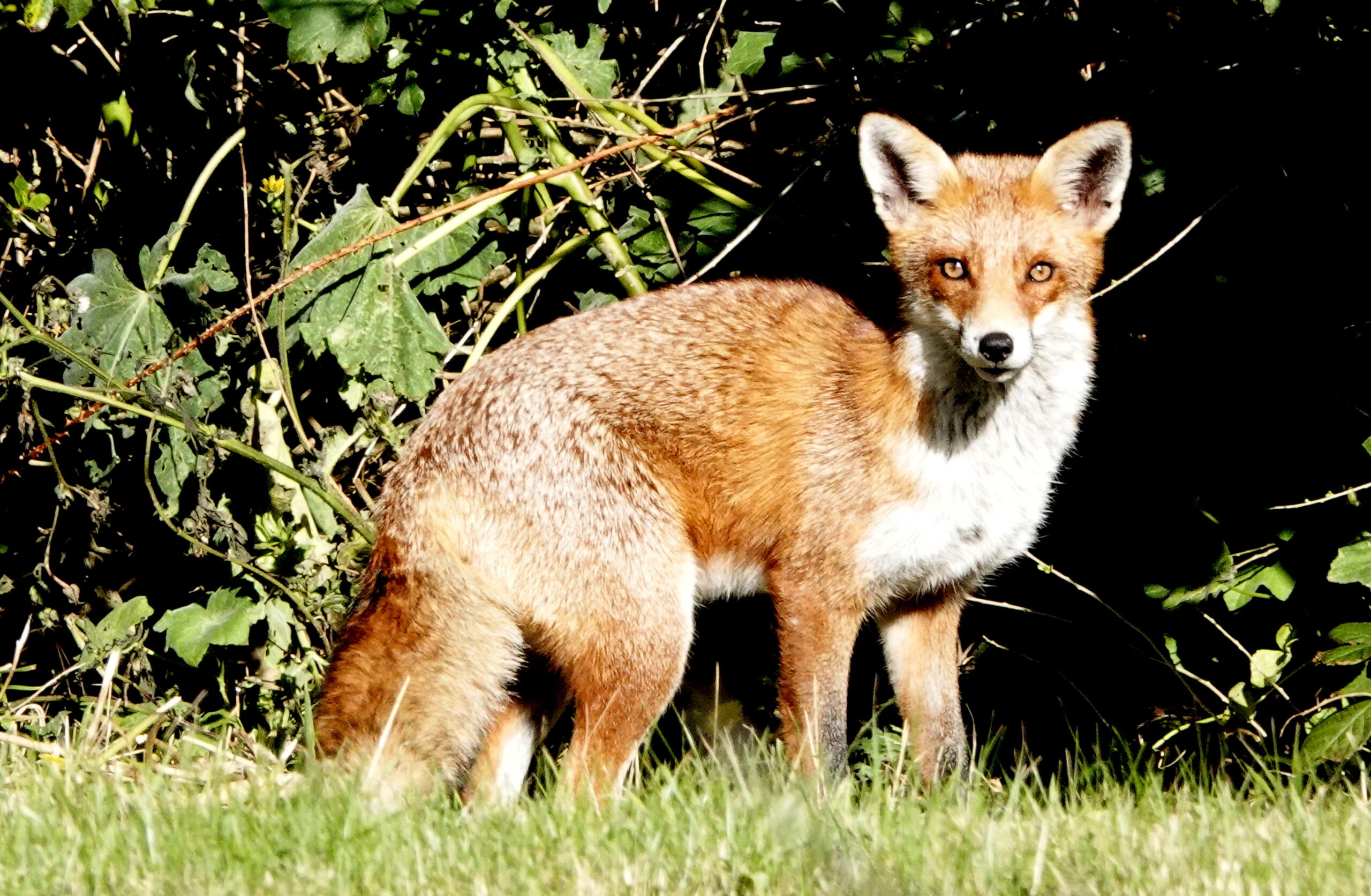
1. Fox 2. Rabbit 3. Wood mouse. 4. Badger. 5. Bank vole. 6. Common pipistrelle (bat) 7. Hedgehog. 8. Brown rat. 9. Soprano pipistrelle (bat). 10. Grey squirrel
This is a quite surprising list when compared to the estimated UK populations of mammals by the Mammal Society in 2018. They list the top three as Field vole (estimated population of 59,900,000), Mole (estimated population of 41,400,000) and Wood mouse (estimated population of 39,600,000).
We tend to only notice and record mammals when we see them alive, or dead, rather than by some distinctive signs they leave behind such as nests, feeding signs or droppings. Molehills are the most recognizable mammal signs. Nothing else looks like a molehill! Although I was once fooled by a large dried out cow pat from a distance, but realised my error when I got closer to it!
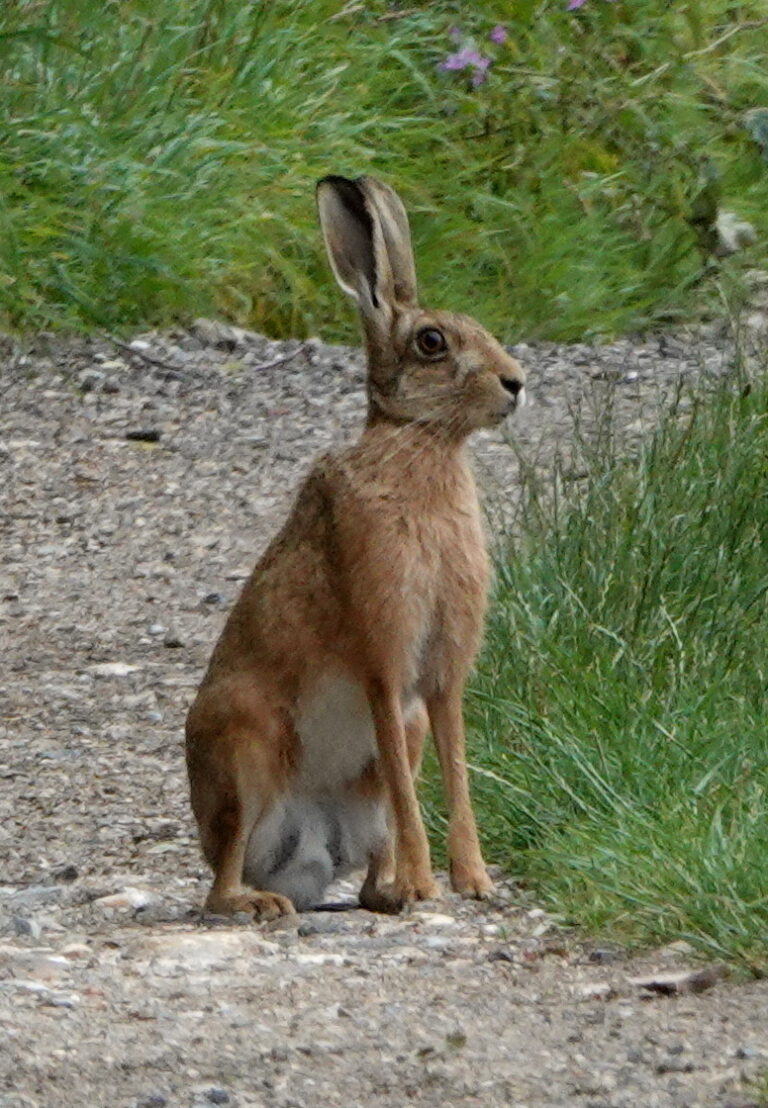
Rabbit droppings are also quite distinctive. They are more the size and shape of a raisin and found in large piles, whereas droppings of Brown hare are larger, more like the shape of a Fruit pastel and found in smaller numbers.
By launching the Mammal survey of the Seaford area, I am hoping to encourage members and others to notice and record mammals more, whether that is in your garden, on your walk into town or out on a SNHS walk. As with all wildlife recording, we need a minimum of four pieces of information to include your mammal record in our survey
1. Mammal species name (eg Grey squirrel)
2. Date (eg 25/02/2026)
3. Location data (ideally a grid reference but we can convert What3Words or a postcode)
4. Your name, plus, whether it was alive or dead, or the sign you saw, such as Molehill, dropping etc. Other useful information might include how many, what you saw the live mammal do.
Photographs are very helpful for species that are a little more challenging to recognise and for photographs of mammal signs, some form of scale is useful, as you can see here. If you currently use iRecord please include mammal records on there including mammal signs. Just make a note of what you saw i.e. molehill, dropping etc. There will be a paper survey sheet at Seaford Natural History Society indoor meetings and any walks I attend.
You can also post on the SNHS Facebook page and tag me in.
Debbie Alston, Seaford Natural History Society