Meeting some marvellous moths!
I’ve always been fascinated by moths, but while I’m pretty good on my butterfly identification, I struggle to identify moths. Probably because there are around 60 species of butterflies but around 2500 species of moths, some of them incredibly small and difficult to identify! They are also a lot harder to photograph in the dark, than a basking butterfly in sunshine!
While some of the most commonly seen ones do fly during the day like the Hummingbird hawkmoth, Burnet and Cinnebar moths, the vast majority are active at night. The best way to see these, is with a moth trap. Moths are attracted to the light, and are caught inside and can then be identified one by one and then released the following morning, preferably somewhere out of the way of predators, where they can wait for dusk.
I was delighted to help some friends open a trap they had borrowed overnight. When we arrived some of the biggest and most impressive moths were perched on furniture near the trap, as if to say “Look at me! Here I am!”
Inspired by advice from SNHS to use Irecord app to record any species seen in Seaford, I switched on Irecord and recorded the moths one by one once we agreed what we thought they were. My friend used INaturalist instead and it was interesting to see the differences between the two apps. For example at times they came up with different English names for the moths, though the latin name was often the same. Where neither apps were coming up with a definite answer, INaturalist allowed you to compare several similar species, which guided us in photographing and identifying specific characteristics to make a decision on the most likely identification.
Overall we recorded thirty four different species and thirty one were swiftly confirmed by Irecord experts. The other three could not be exactly from the photographs alone.
I’m told that Furness Dowd is one of Blastobasis species which are all very similar, as is the (Orchard?) ermine so we will just have to settle for Yponomeuta sp.
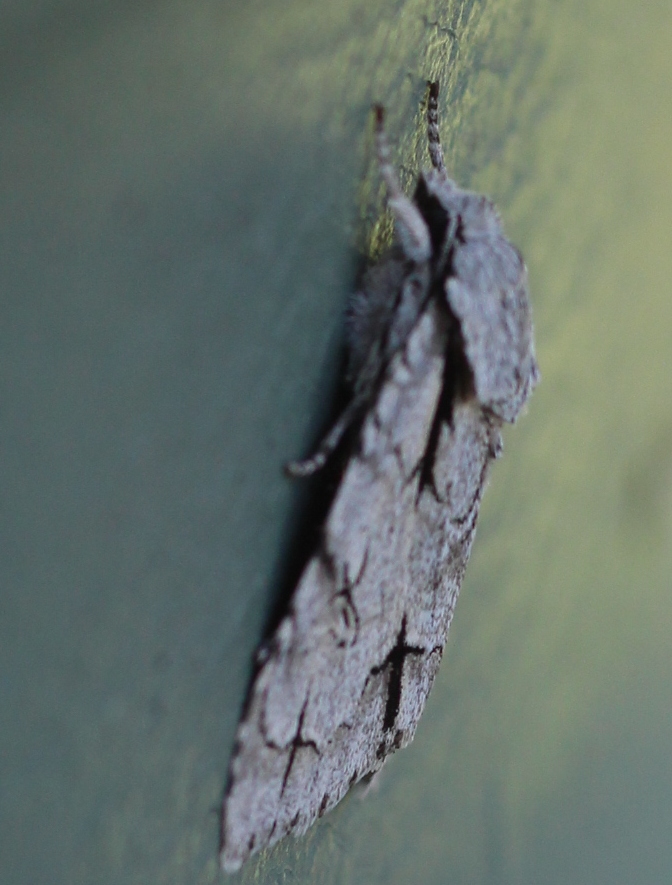
The Grey Dagger and Dark Dagger are impossible to separate from a photo so they are lumped together except the caterpillars which CAN be distinguished from each other. This one is aptly named, check out the daggers!
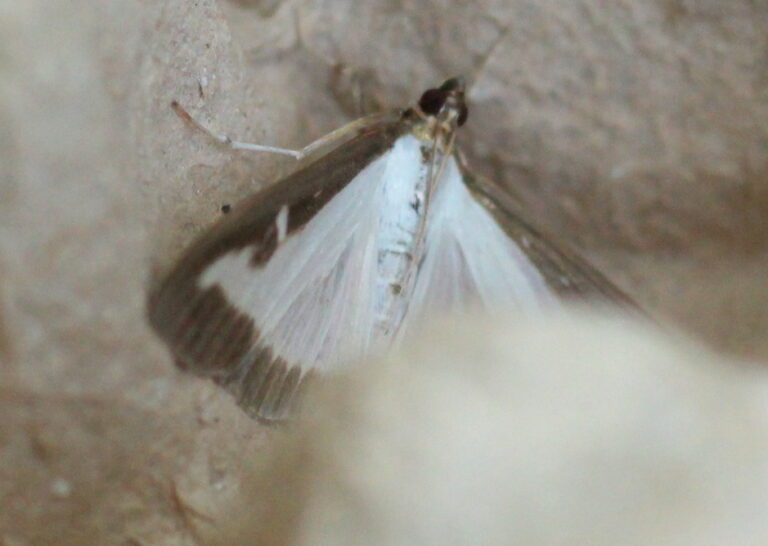
Box-Tree Moth Cydalima perspectalis
Cloaked Minor Mesoligia furuncula
Codling moth Cydia pomonella
Common Grass-veneer Agriphila tristella
Common Plume Emmelina monodactyla
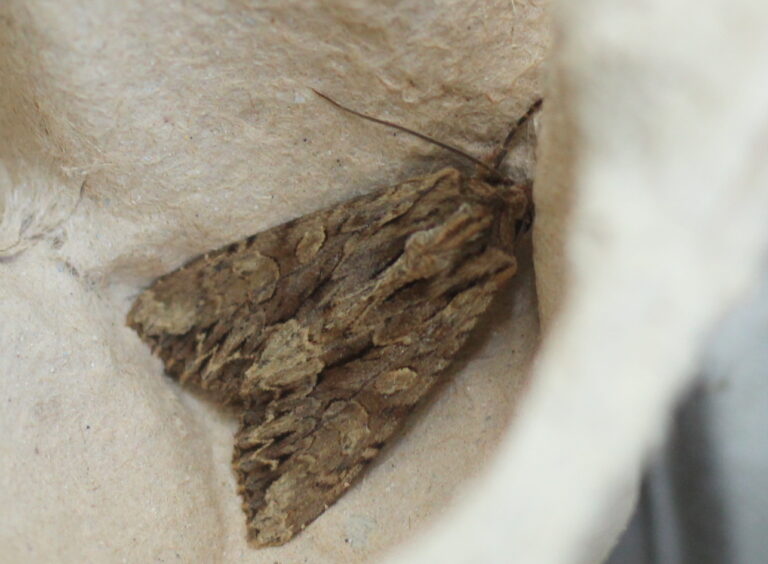
Common Rustic Mesapamea secalis agg
Dark Arches Apamea monoglypha
Dun-bar Cosmia trapezina
Dusky Sallow Eremobia ochroleuca
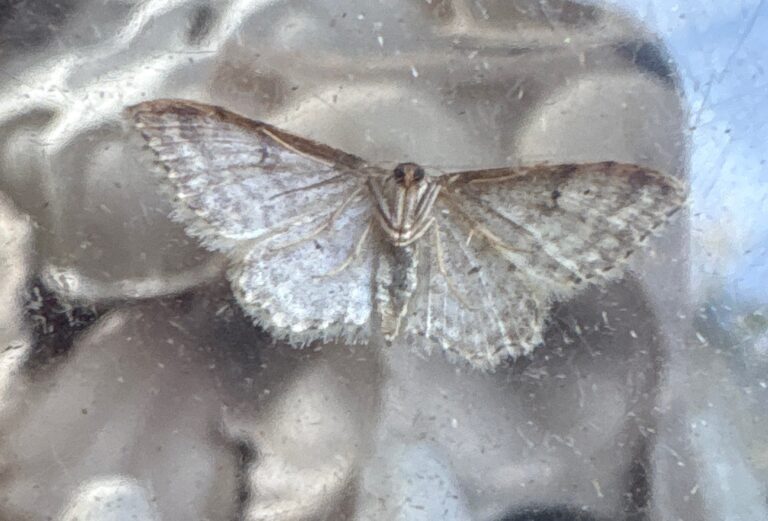
Dwarf Cream wave Idaea fuscovenosa
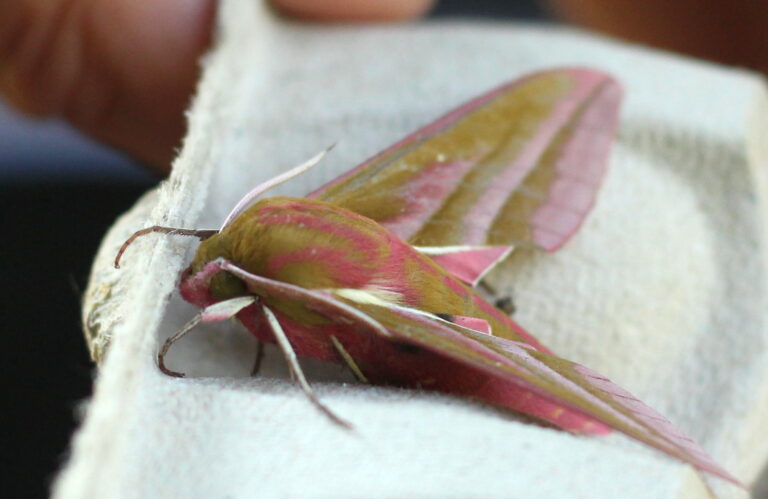
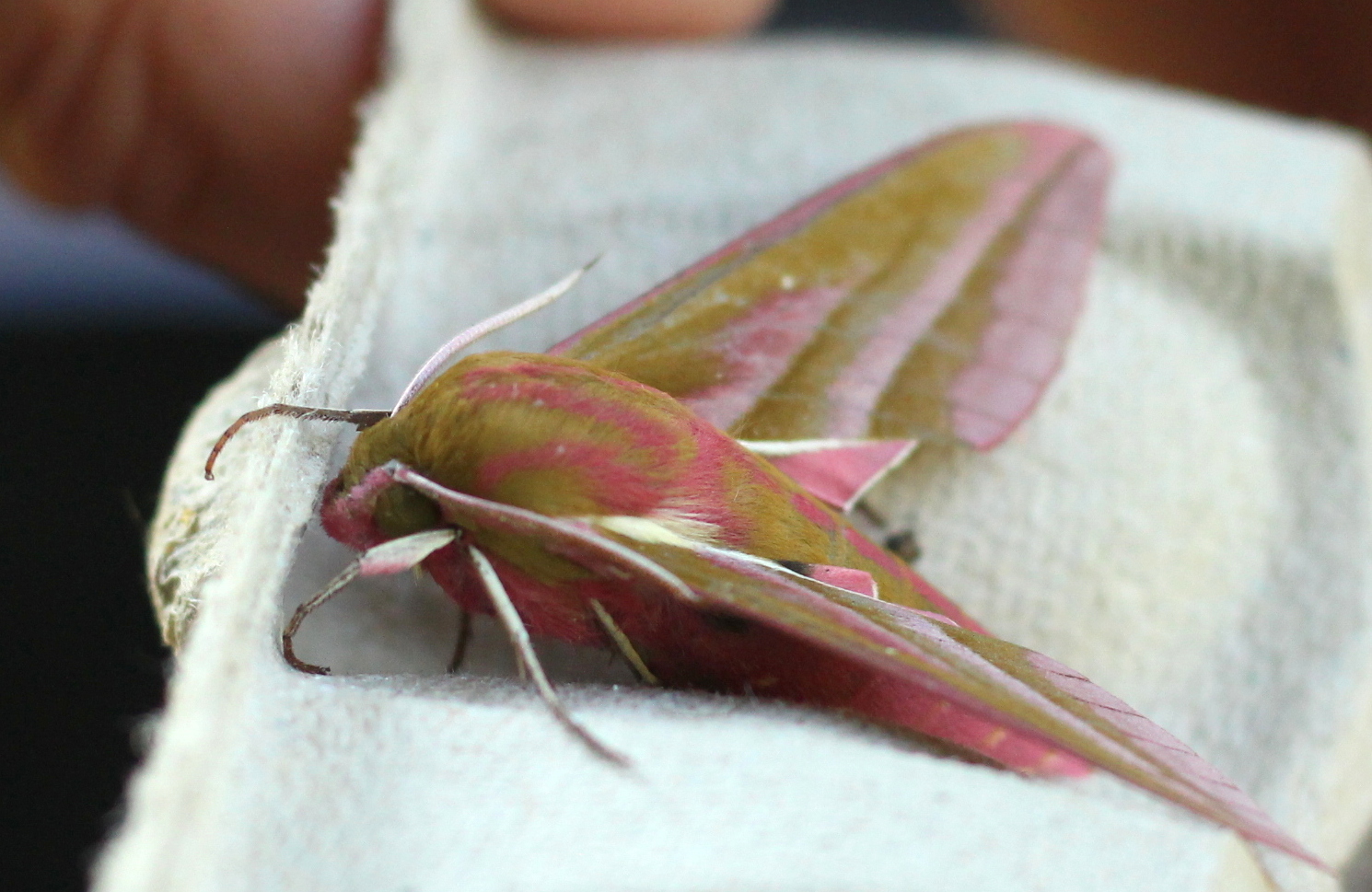
Elephant Hawk-moth Deilephila elepenor
Flame Axylia putris
Furness Dowd Blastobasis adustella (not confirmed)
Grey Dagger Acronicta psi (Not confirmed)
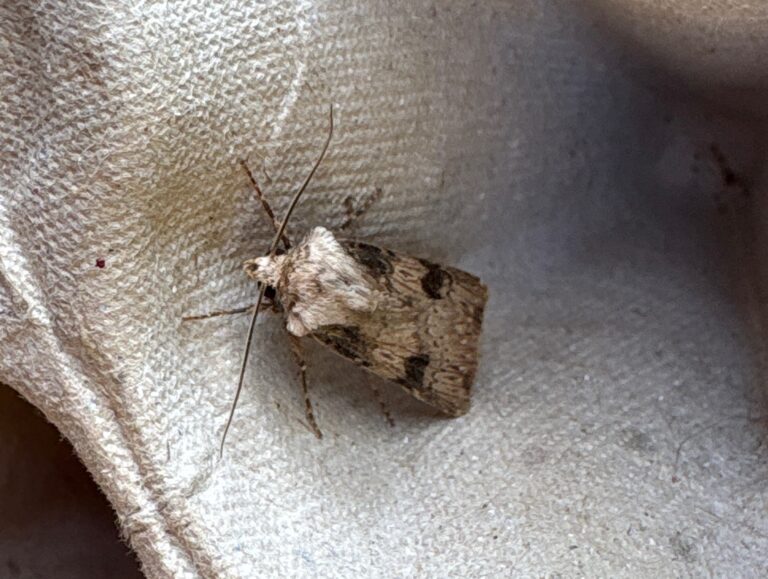
Heart and Dart Agrotis exlamationis
Inlaid Grass-veneer Crambus pascuella
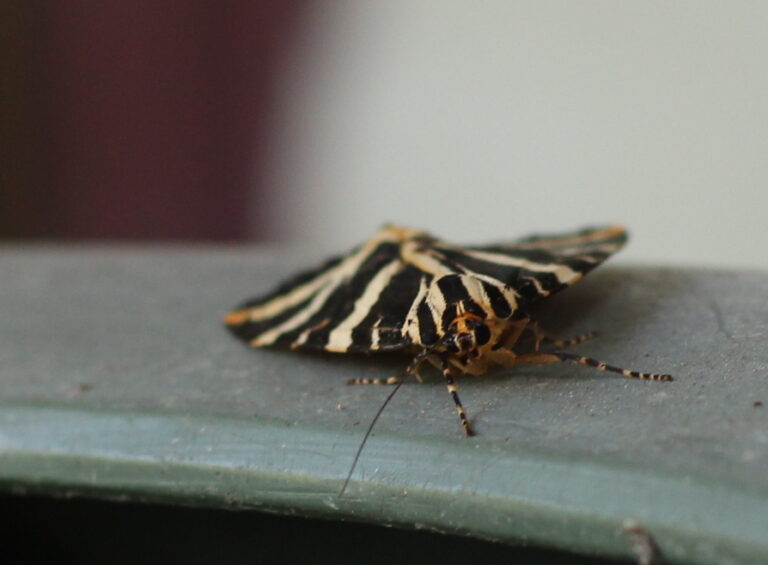
Jersey Tiger Euplagia quadripulctaria
Kent Black arches Meganola albula
Large Yellow underwing Noctua pronuba
Light Brown apple moth Epiphyas postvittana
Long-legged Tabby Synaphe punctalis
Marbled Piercer Cydia splendana
Orchard Ermine Yponomeuta padella (not confirmed)
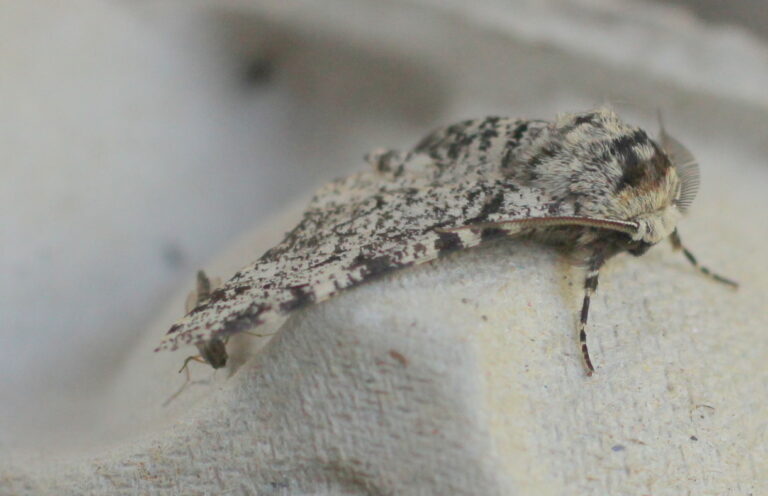
Peppered Moth Biston betularia
Riband Wave Idaea aversata
Rosy Minor Litoligia literosa
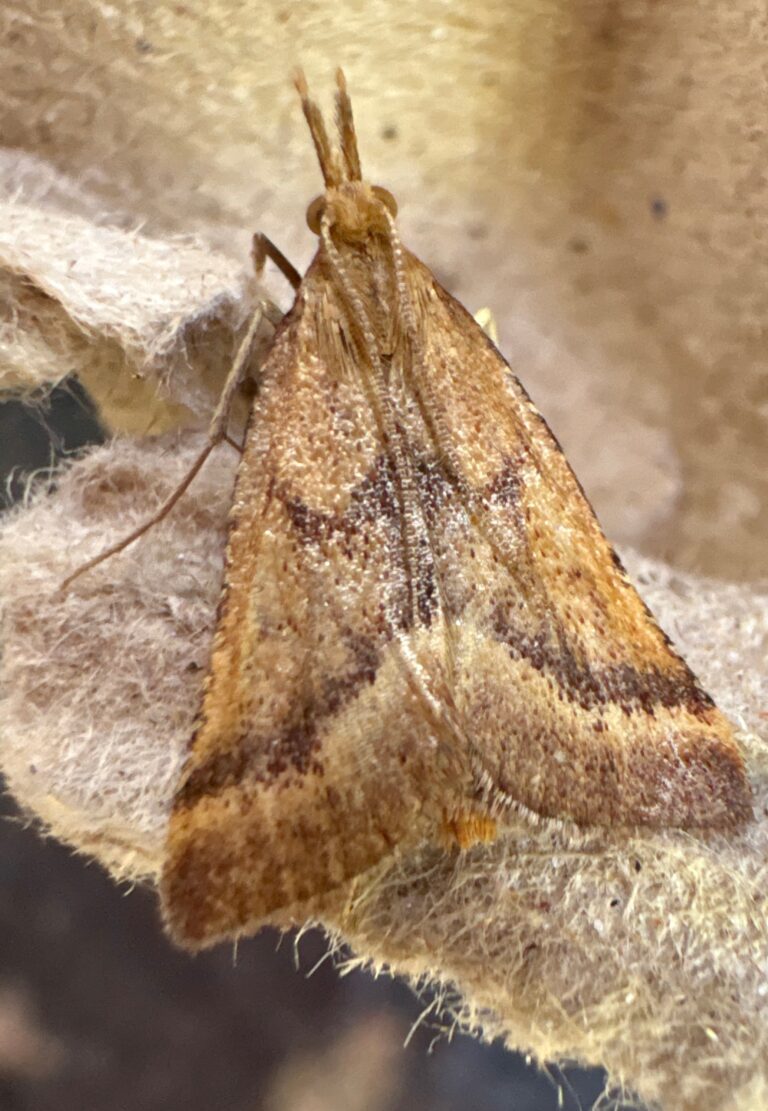
Rosy Tabby Endotricha flammealis
Scarce Footman Eilema complana
Shuttle-shaped dart Agrotis puta
Single-dotted wave Idaea dimidiata
Spotted Magpie Anania coronata
Straw Grass-veneer Agriphila straminella
Thicket Knot-horn Acrobis suavella
Uncertain Hoplodrina octogenaria
I think my favourite was the Peppered Moth, especially later when I read this story about how this moth changed colour during the Industrial Revolution.
selection.
There are such a variety of different moths too, from angel-like plume moths, little carpet moths to great hawkmoths and some fascinating names for moths too.
If you’d like to try trapping and identifying moths in your garden, you might like to join the Natural History Society who have a trap they can lend to members. Seaford Action for Nature may also be able to help.
If you spot any moths we would love to hear from you, and see your photographs
You could also enter a photo into our Lucy Lapwing book competition, see details here..
Judy