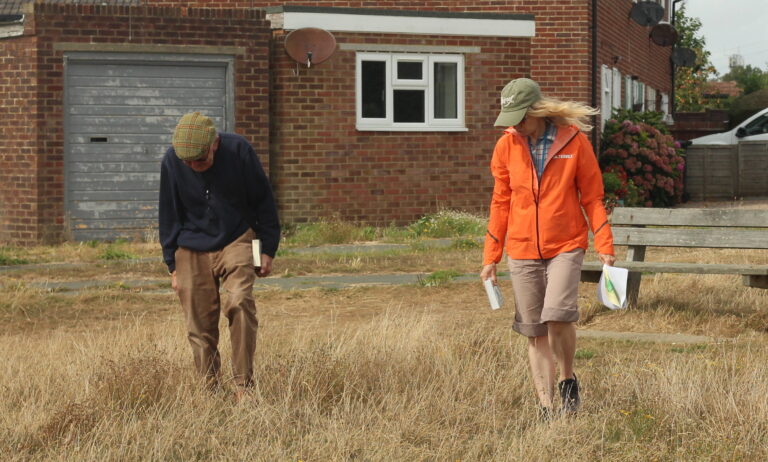
Today’s wildflower wander was in one of the towns green spaces. Walmer road recreation ground is a much-loved recreational space in the Chyngton estate with a football facilities and a children’s playground .
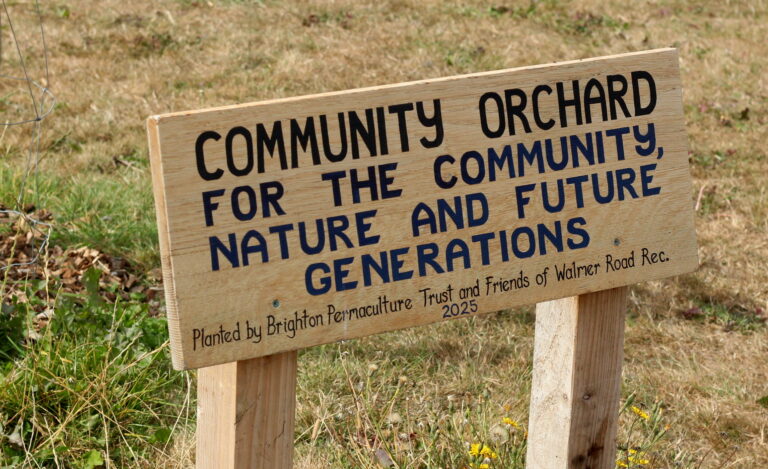
The question is, could it also be a haven for wildlife ? The enthusiastic group “Friends of Walmer road rec” think so . Working with the landowner Lewes District Council the Friends group are helping to improve the space for local people. They have already planted a community orchard and meet up regularly to litter pick. They are looking for more ideas to improve biodiversity here. When I visited last year there was a margin of planted wildflowers annuals which were bringing in pollinators like Common Blue butterflies .
Sadly the flowers were gone and this strip of earth seemed to have grown back to grass. Consequently there were no blue butterflies today but we did see a pair of brown butterflies tussling in the air. These were possibly Speckled Woods which habitat even small patches of woodland, fiercely defending them against intruders. More surprising were the two large dragonflies circling along the field edges with no water in sight !
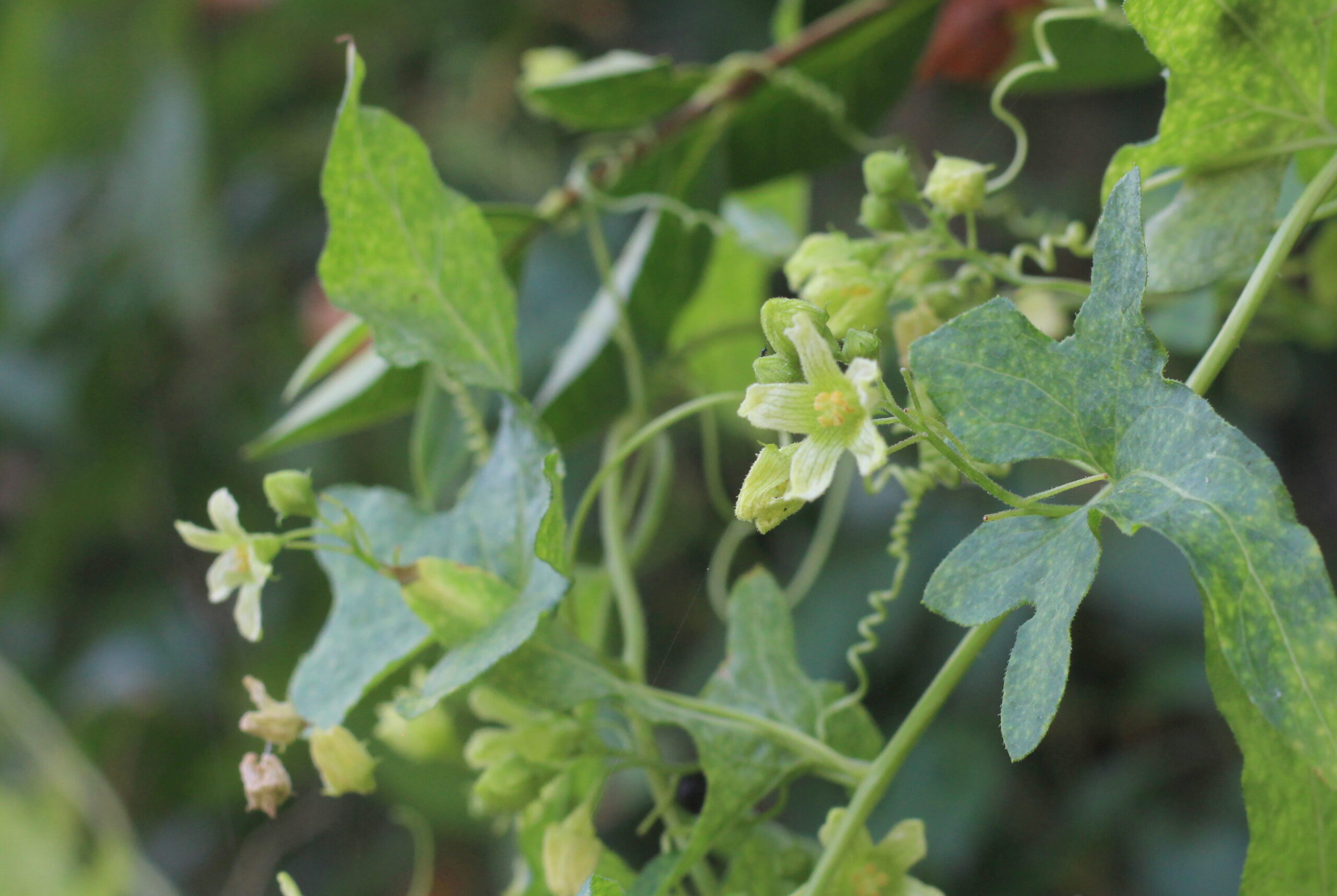
The park is edged with some lovely trees and bushes and new trees have been planted by Trees for Seaford along the roadside edge. The mature hedgerow included elder, elm and hazel with a bounty of berries appearing . A few plants grew under the damper shelter of the hedge or climbed up it like this beautiful white bryony. The playing field was extremely dry but still dotted with yellow dandelion-like flowers and others.
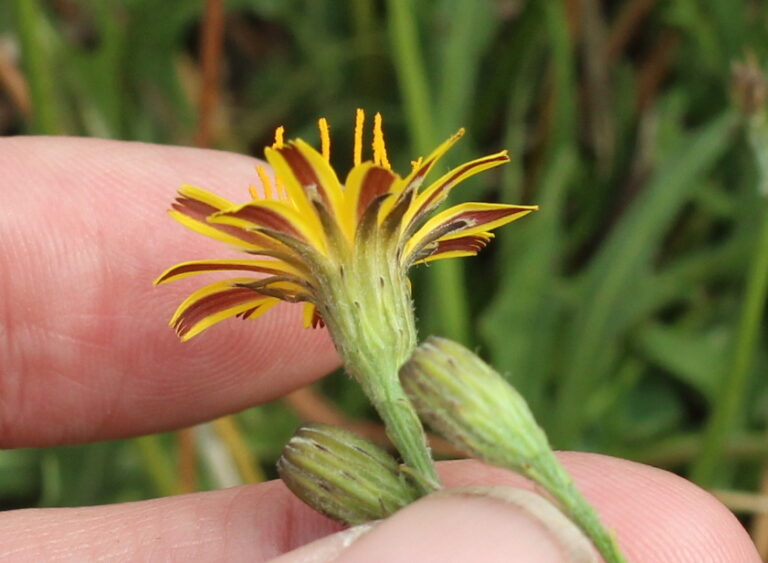
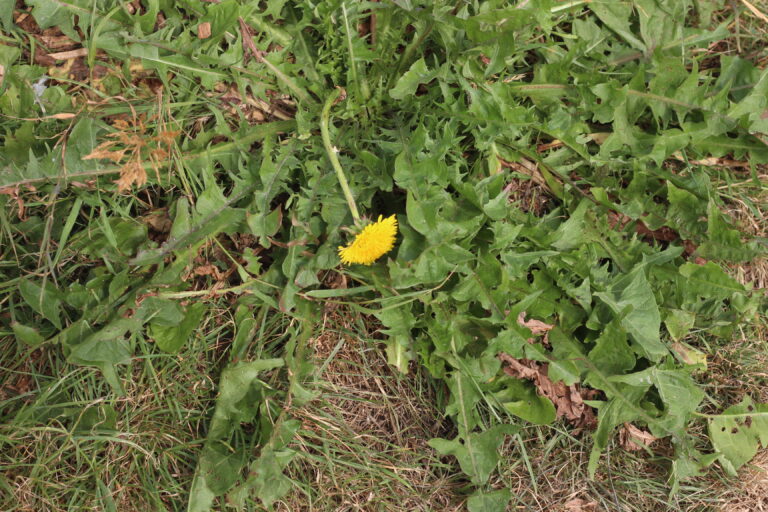
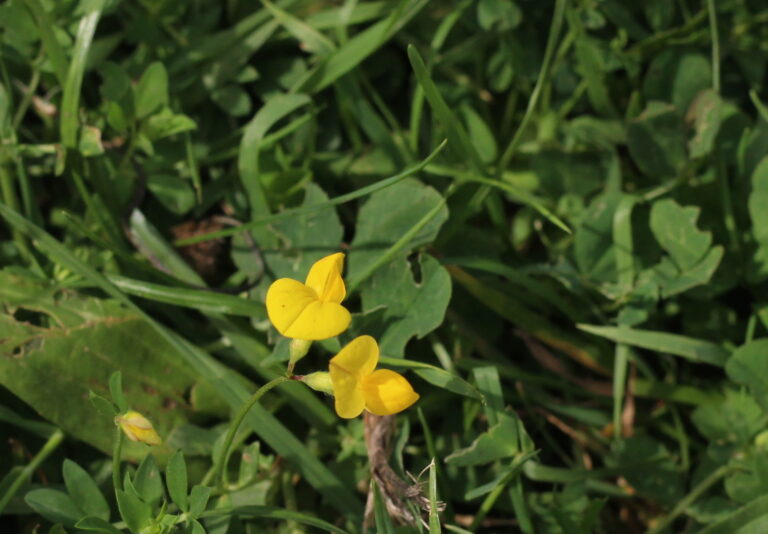
Five members of the Friends group came along and were keen to help us to record all the species seen. Brian gave us quick lesson on the yellow flowering plants which mostly turned out to be Autumn hawkbit. We also saw a few Dandelions, Cat’s-ear (which has furry leaves) and Birds foot trefoil which has seed pods in the shape of a bird’s claw!
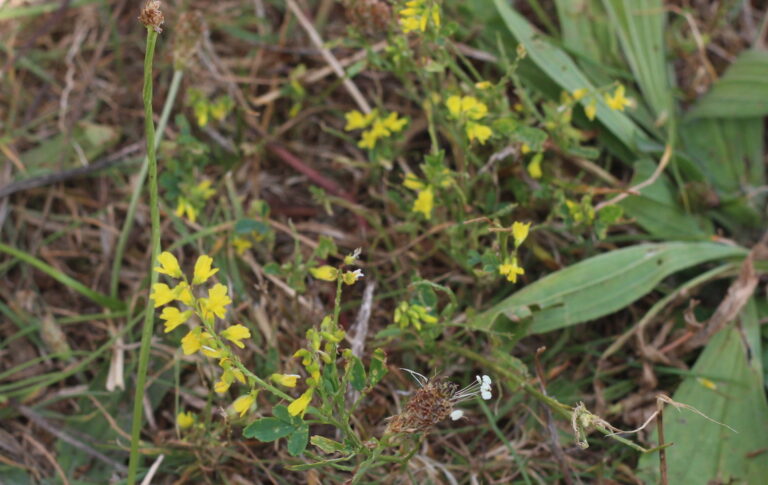
Another small yellow plant took a bit longer to identify . It had three leaves in a clover-like arrangement , and small flowers up the stems. Our botanists worked out that this was Ribbed Melilot, a species often a crowing a lot taller, often seen on roadsides. This would have struggled against the regular grass cutting but was surviving!
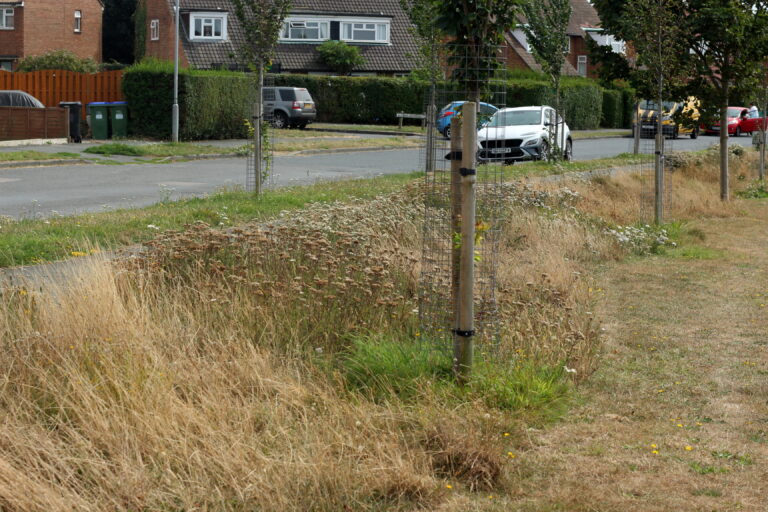
We also spotted Common nettles, Ivy and several Bindweeds. These can be considered weeds but all are important for wildlife so it’s great they have space to grow here . Along the roadside verge we found a lot of Yarrow but not a lot else in the “meadow” area. This area could be improved if the area was mowed in the autumn and the clippings were removed . This would weaken the hold of the rough grasses and encourage wild flowers and more delicate grasses to flourish . Some more areas of longer grasses towards the back and sides of the field would also help bees and butterflies to find nectar and shelter here.
In total we spotted 36 species of plant this time which is a great baseline survey. This makes 47 in total over the two years. We would encourage the group to keep monitoring the fields all year round and noting any new species, we are always happy to help with identification!
If you would like to join the group, the next litter pick meeting is on Sat 20 September at 9.30, or find out more here
If you have a public green space near you and would like Seaford Action for Nature to come along and do a plant survey, do get in touch
Judy (Seaford Action for nature)
safn@renaturingseaford.org
|
Birds-foot trefoil
|
Lotus corniculatus
|
|
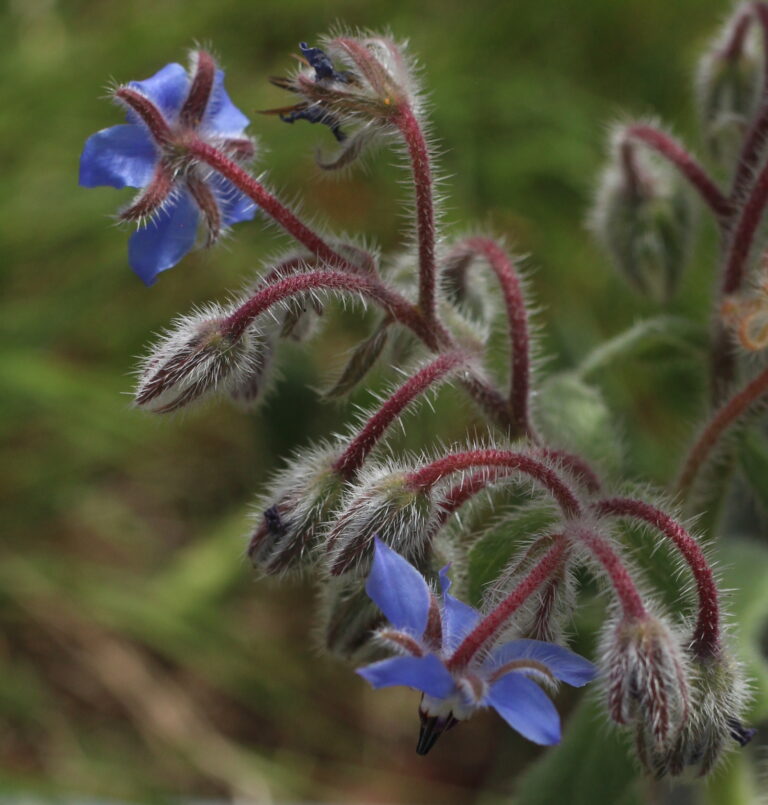
Borage
|
Borago officinalis
|
|
Bramble
|
Rubus fruiticosus
|
|
Broad-leaved dock
|
Rumex obusifolius
|
|
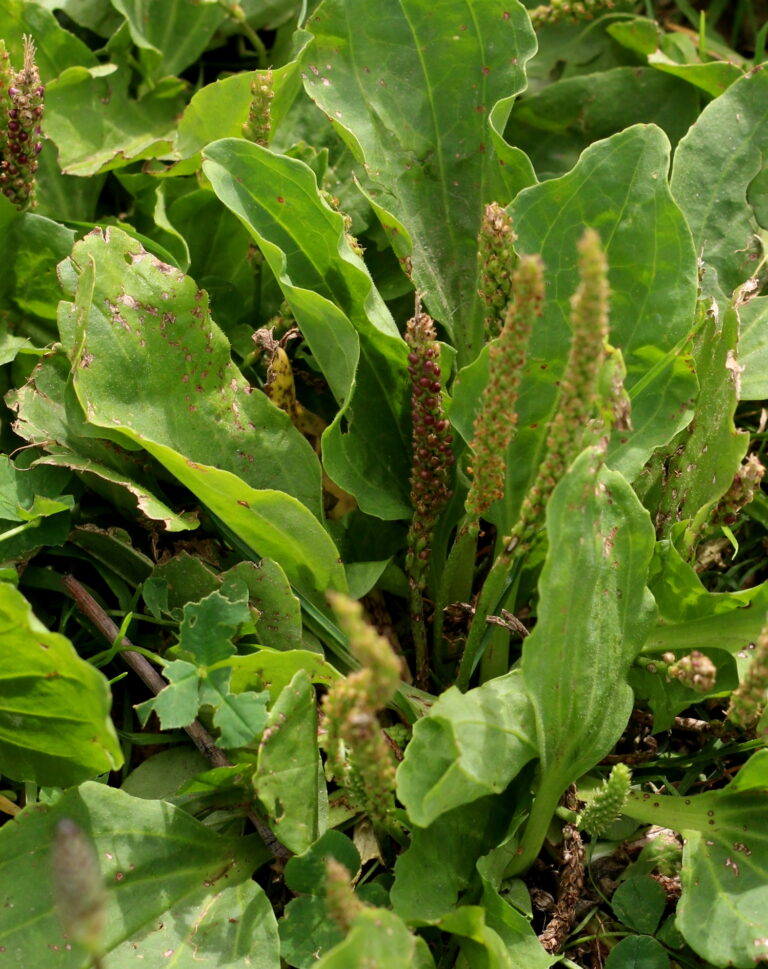
Broad-leaved (Greater) plantain
|
Plantogo major
|
|
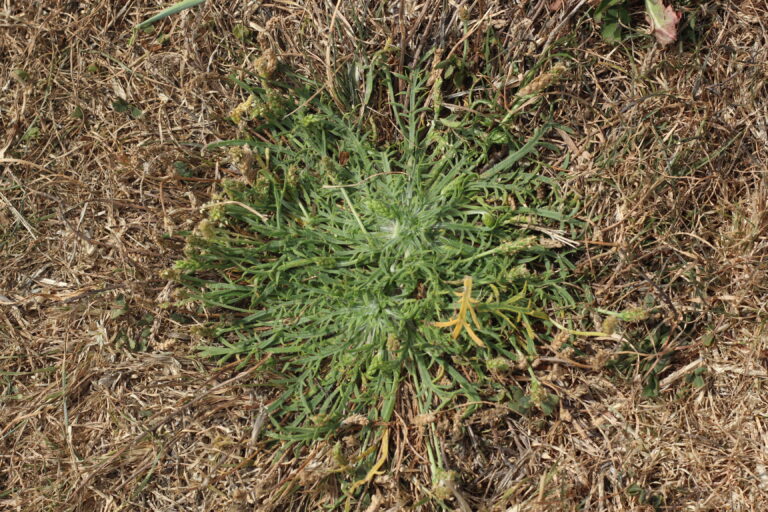
Bucks-horn plantain
|
Plantog coronopus
|
|
Cat’s ear
|
Hypochaeris radicata
|
|
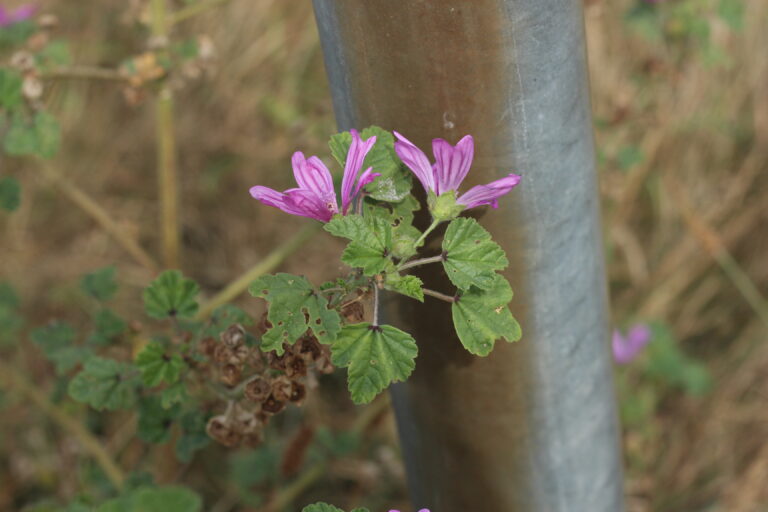
Common Mallow
|
Malva sylvestris
|
|
Common nettle
|
Urtica dioica
|
|
Common Ragwort
|
Senecio jacobaea
|
|
Creeping buttercup
|
Ranunculus repens
|
|
Daisy
|
Bellis perennis
|
|
Dandelion
|
Taraxicum officianlis agg.
|
|
Elder
|
Sambucus nigra
|
|
Elm
|
Ulmus
|
|
Field Bindweed
|
Convolvulus arvensis
|
|
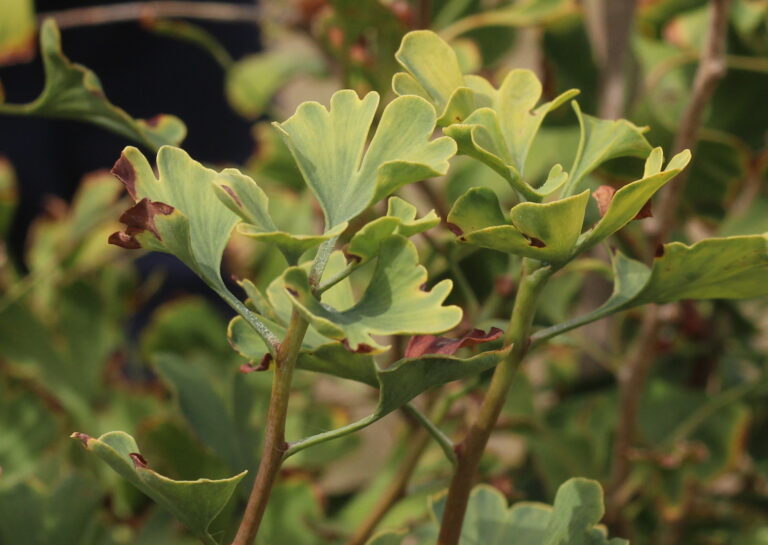
Ginkgo biloba
|
Ginkgo biloba
|
|
Groundsel
|
Senecio vulgaris
|
|
Hawthorn
|
Crateagus monogyna
|
|
Hazel
|
Corylus avellana
|
|
Hedge Mustard
|
Sysimbrium officinale
|
|
Horse Chestnut
|
Aesculus hippocastanum
|
|
Ivy
|
Hedera helix sp
|
|
Lemon balm
|
Melissa officinalis
|
|
Lime
|
Tilia sp
|
|
Pellitory of the wall
|
Parietaria judaica
|
|
Privet
|
Ligustrum sp
|
|
Ribbed melilot
|
Melilotus officeinalis
|
|
Ribwort plantain
|
Papaver hybridum
|
|
Rosa Rugosa
|
Rosa rugosa
|
|
Smooth Sowthistle
|
Sonchus oleraceus
|
|
Stinking iris
|
Iris foetidissima
|
|
White bryony
|
Bryonia dioica
|
|
White clover
|
Trifolium repens
|
|
Yarrow
|
Achillea millefolium
|