Seaford Natural History were pleased to welcome Gareth Williams, from Weald to Waves to speak at their Christmas Social.
Some years ago Gareth was a schoolboy at Seaford Head School and he came along toupdate us on the Weald to Waves Project, on which he works. Weald to Waves aim to create a nature recovery corridor across Sussex, forging vital connections for wildlife and enhancing biodiversity alongside sustainable food production and thriving communities.
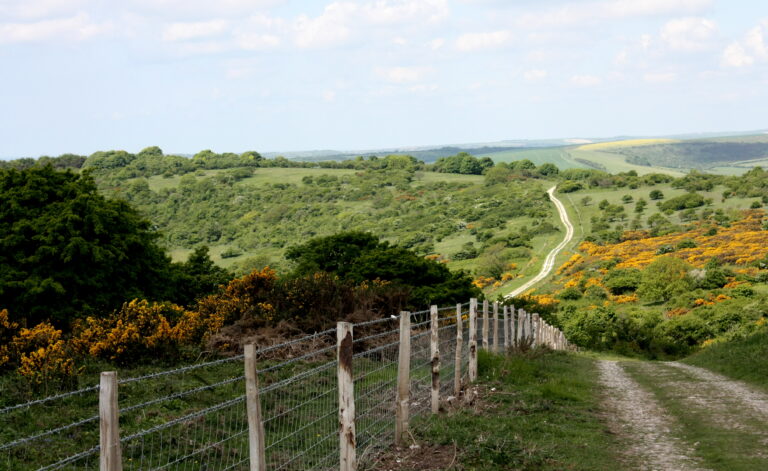
The Sussex landscape was once covered by sprawling woodland, heathland, and wetlands, with a mosaic of farmland, pastures and small settlements. The past 300 years have seen a surge of industrialisation, urbanisation and intensive agriculture that has carved up the landscape.
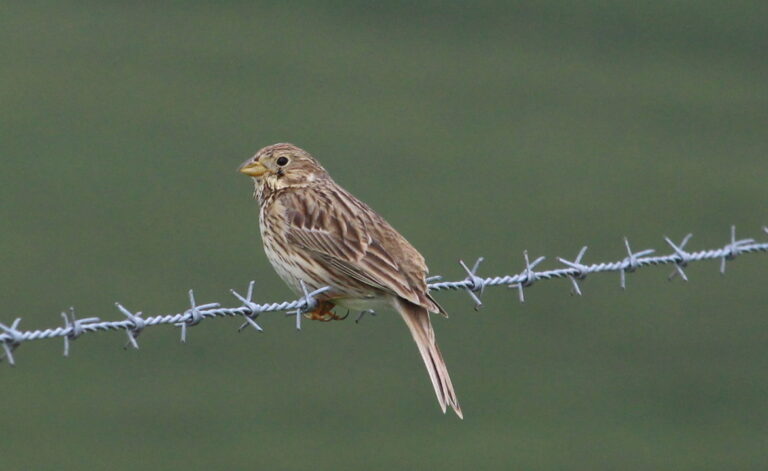
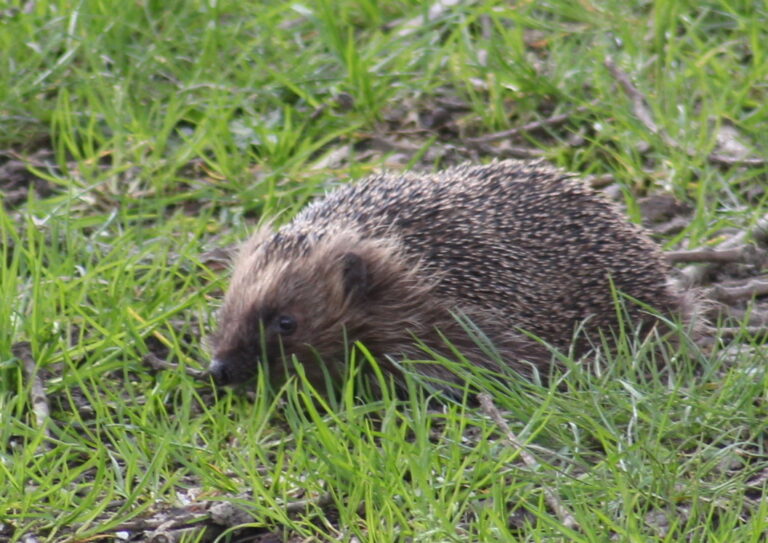
Numerous species, including hedgehogs, skylarks, and many butterflies, have declined. Some have been lost entirely.
Agricultural landscapes can often be homogenous. Large areas containing a small number of species are not only poor habitat for most species, but they also form impenetrable barriers which isolate species populations and cause local extinctions.
With that in mind, the Weald to Waves project was born. Seven landowners met and signed a memorandum of understanding in 2022. Those original landowners formed the first core areas for nature recovery. The corridor started to grow, joining up these landowners with other nature recovery partnerships and stakeholders.
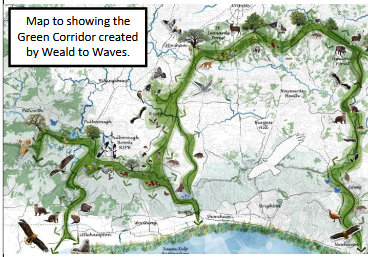
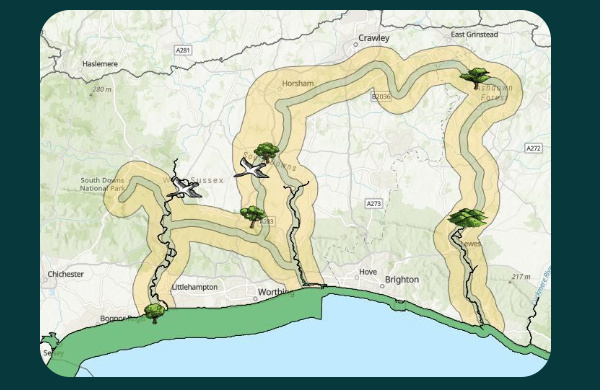
The shared ambition of the partnership’s founding stakeholders, to support nature recovery through improving habitat quality and connectivity, resulted in a corridor stretching 100 miles,from the Ashdown Forest in the High Weald, following the Arun, Adur and Ouse rivers tothe sea at Climping, Shoreham and Newhaven. – and hopefully Seaford and the Cuckmere in future. (See map on right.)
162 land managers have signed up to the scheme along with over 1000 home gardeners and 30 other partnership organisations. Together they are pledging to do what they can to rewild the 22,000 Hectares on the scheme.
The scheme is bringing together farmers who didn’t know each other before the scheme started. Mob grazing is encouraged, hedges are being replanted and not cut back in the winter to maintain food for birds, wetlands are being recreated and rivers rewilded.
Gareth ended by encouraging all SNHS members to get onto the website and sign themselves and their garden onto the project.
For more details and to pledge your green space, go to Weald to Waves
This was an excellent and inspiring talk and we were grateful that Gareth stayed on to answer questions, joining us in enjoying a range of comestibles and mulled juices provided to celebrate Christmas. Thanks to Janet and Jim Howell for organising
that for us and rounding off a lovely afternoon and another successful SNHS year.
Mike Vingoe and Jenni Empson-Ridler
Seaford Natural History Society