This year we took a route through the town centre that visited two churchyards and a pond, then looped back along the main road to the station. In all we recorded 30 species which is the largest total for us to date.
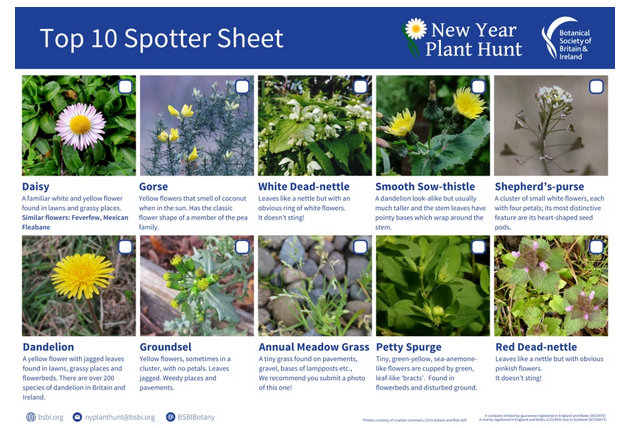
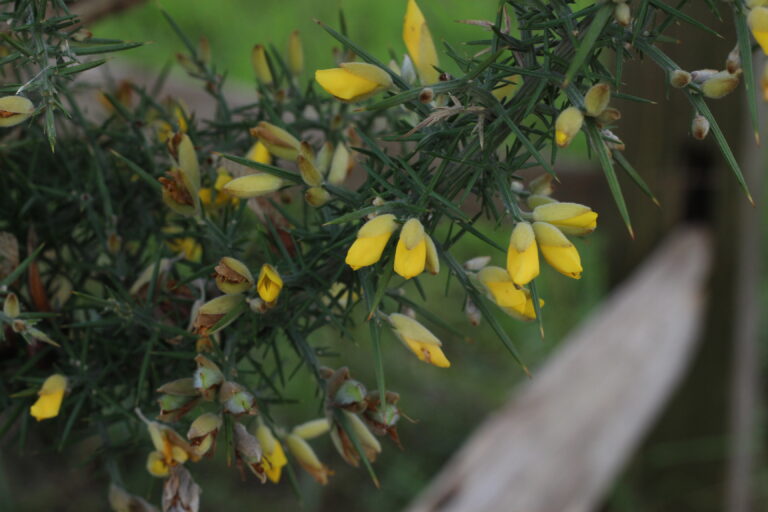
BSBI normally ask us to record only plants in full flower, but this year the BSBI also asked us to record whether we saw ten common species at any stage of development. One of these was gorse which is a plant that can flower all year round. We spotted some of this near East Blatchington Pond, and others like Cow parsley coming into leaf in several places.
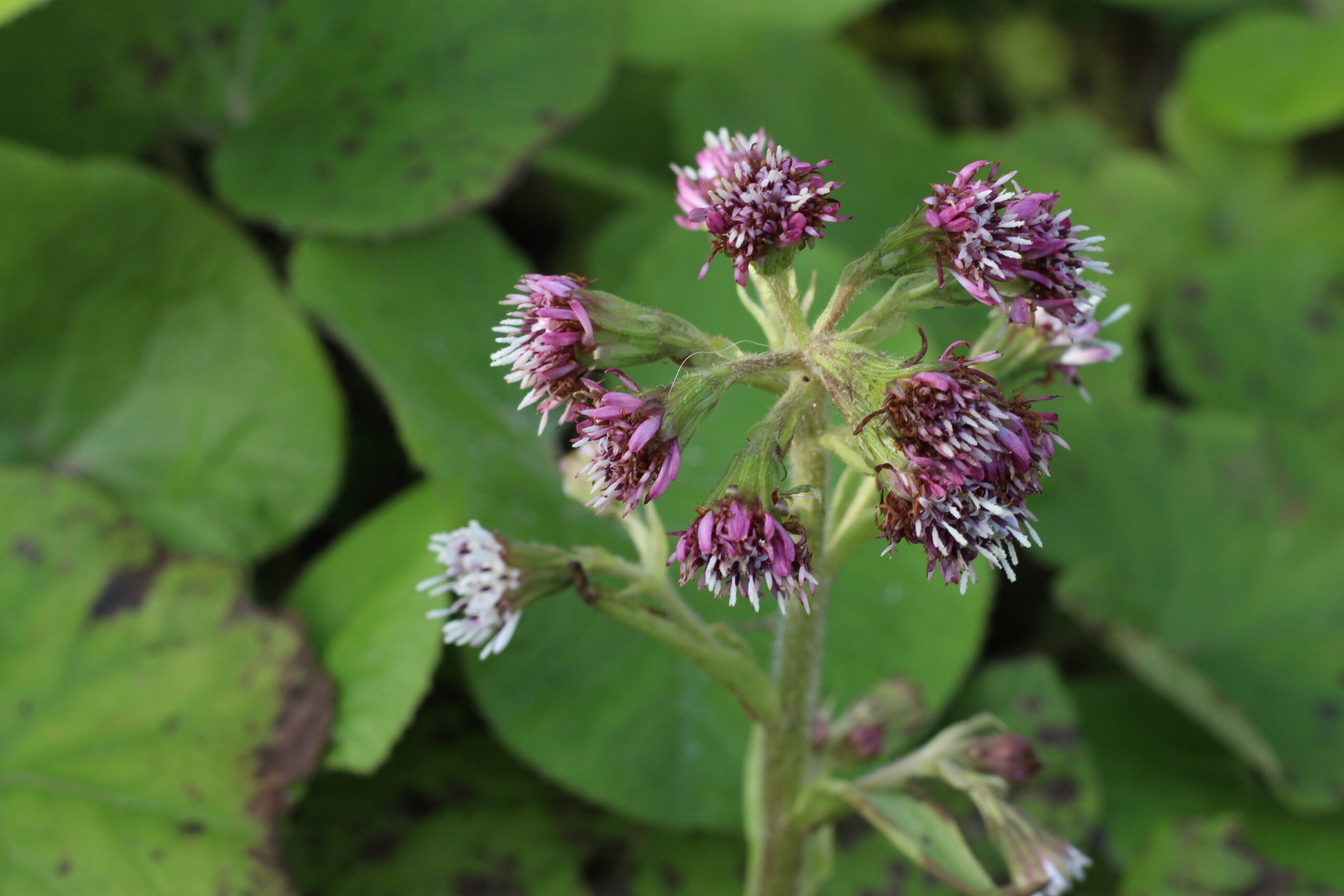
The first substantial blooming was in St Leonards churchyard where Winter Heliotrope (above) was in full bloom. This vanilla scented pretty flower is great for early bumble bees. As you might guess from the name, this is a species we would expect to find in Winter, so no surprise at all.
However some of the other species spotted are either flowering late.. because the temperatures had not yet dropped enough for them to stop flowering for the year, or blooming early for 2026 because they think Spring is on its way. Either way there are plants that are being affected our warmer winters as a result of climate change, and the results from this survey will add to vital evidence.
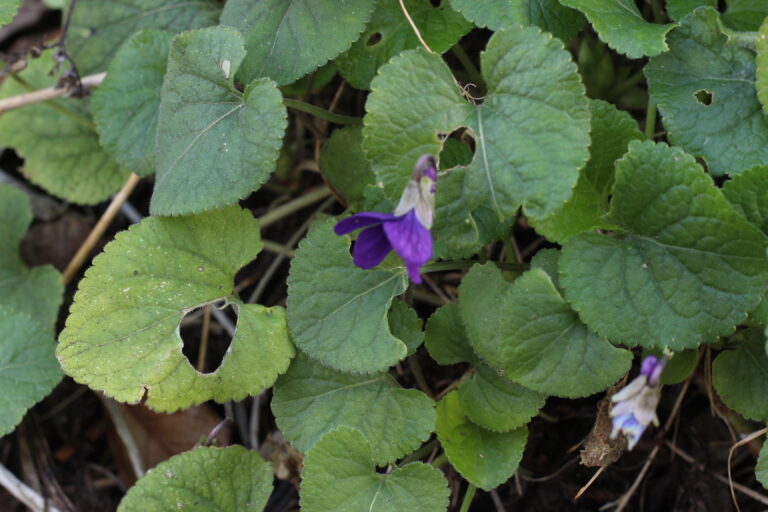
At the top of Avondale road we spotted a sizeable clump of Sweet Violets which are quite early. Early Dog Violets had also been spotted nearby a few days earlier.
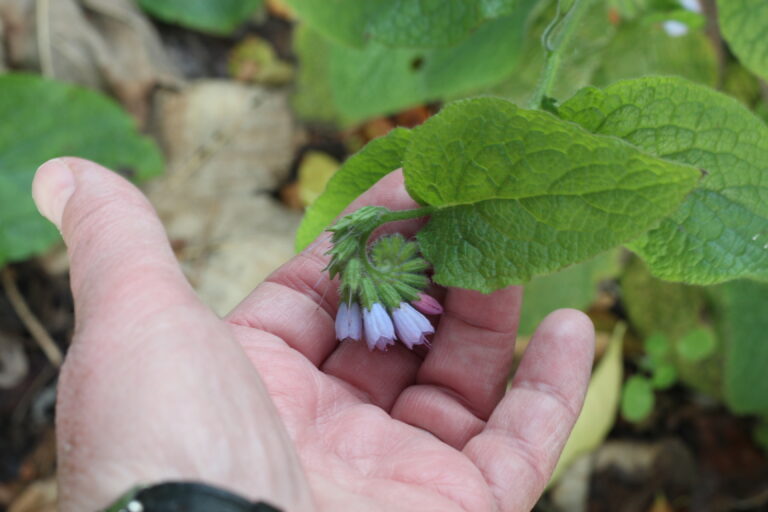
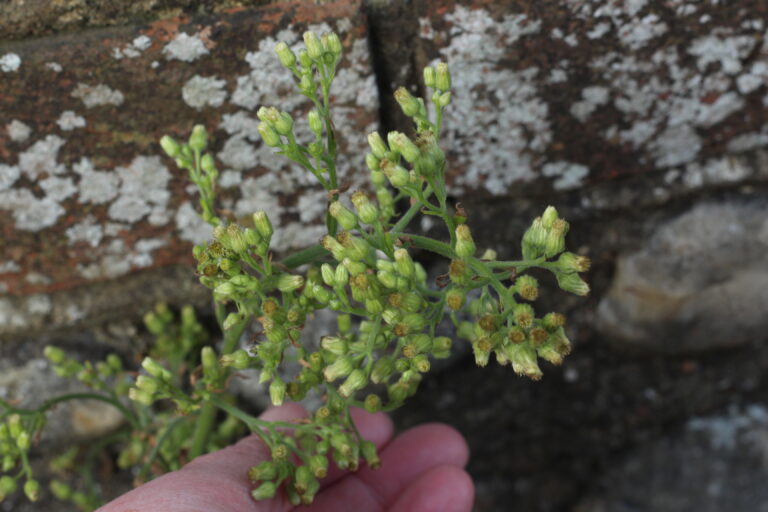
A couple of more tricky identifications were a comfrey along the pavement edge of Blatchington hill and one of the fleabanes along Avondale Road. We have made a reasonable guess on these, and sent photos so that the sightings can be reviewed by BSBS experts.
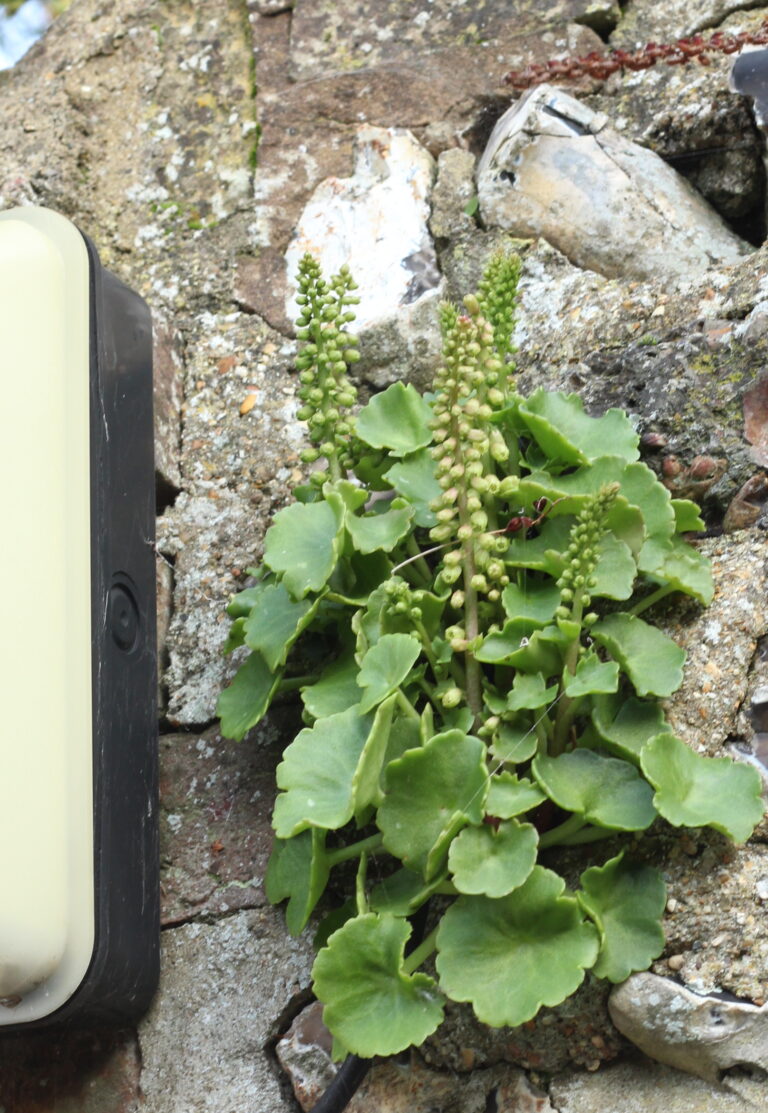
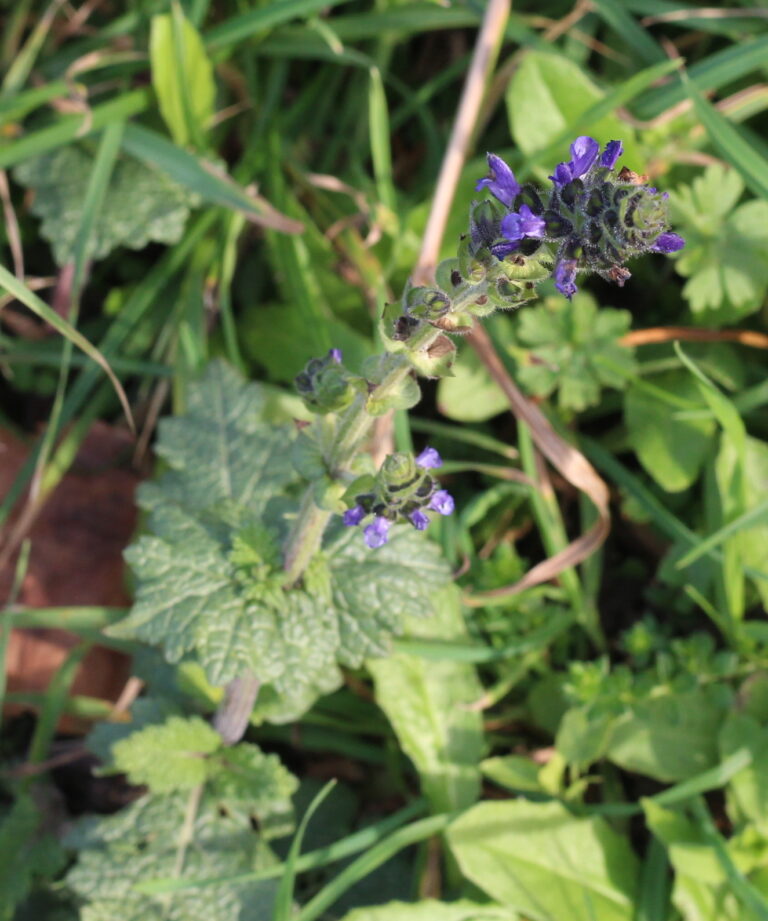
The most surprising sightings were a salvia (Wild Clary) opposite Claremont shops and Navelwort (sometimes called Wall pennywort, as the leaves look like big old pennies and they cling with ease to old, particularly flint walls.)
We might have expected to see some leaves and old flower heads on the population living on the wall in the carpark of St Peters, however we were amazed to spot some near a light fitting that were actually in bud. They looked like they would open any day soon! Sadly they weren’t open enough for the NY count, but we were still delighted with our tally of 30 plants. When moving one, we noticed that more leaves were appearing along many other flint walls nearby. Hopefully there should be a good display of these plants later in the year. These are not common in East Sussex, so well worth checking out.
Our recorded list was as follows
Annual meadow grass | poa anna |
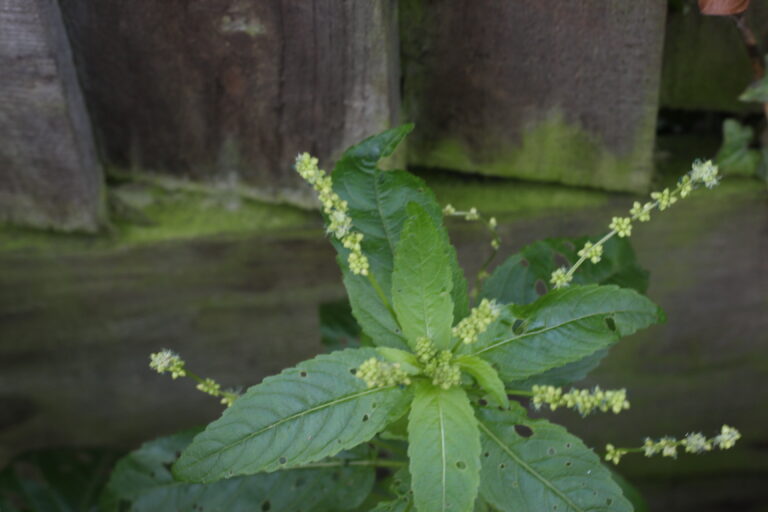
Annual Mercury | Mercurialis annua |
Campanula | campanula sp |
Caucasian comfrey | Symphytum caucasicum |
Cocks foot | Dactylus glomerata |
Common chickweed | Stellaria media |
Common field speedwell | Vernoica persica |
Daisy | Bellis perennis |
Dandelion | Taraxicum officianlis agg. |
Feverfew | Tanacetum parthenium |
Gorse | Ulex europaeus |
Green alkanet | Pentaglottis sempervirens |
Groundsel | Senecio vulgaris |
Guernsey fleabane | Cobyza sumatrensis |
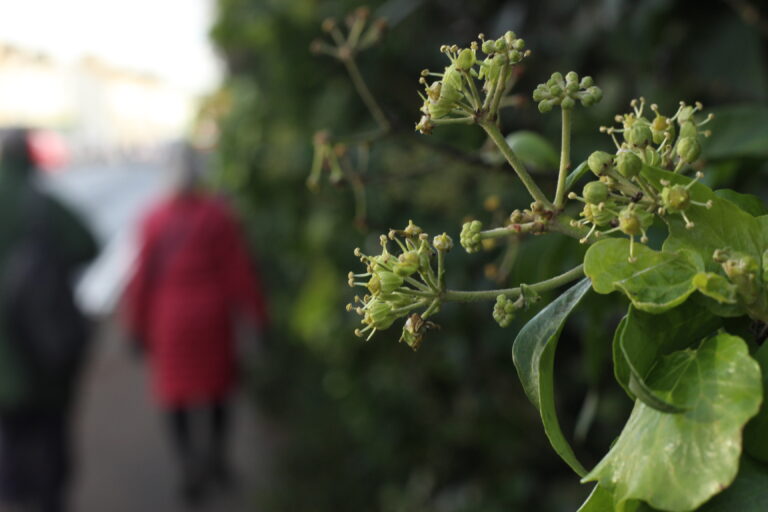
Ivy | Hedera helix sp |
Ivy leaved toadflax | Cymbalaria muralis |
Mexican fleabane | Erigeron karvinskianus |
Pellitory-of-the-wall | Parietaria judaica |
Petty Spurge | Euphorbia peplus |
Pot Marigold | Calendula officinalis |
Red dead nettle | Lamium purpureum |
Red Valerian | Centranthus ruber |
Seaside daisy | Erigeron Glaucus |
Shepherds Purse | Capsella bursa-pastoris |
Smooth Sowthistle | Sonchus oleraceus |
Sweet violet | Viola odora |
Wavy bittercress | Cardamine flexuosa |
Wild Clary | Salvia verbenaca |
Winter Heliotrope | Petasites fragrans |
Yarrow | Achillea millefolium |
Two days later I was delighted to join the Sussex Botanical Society who did another plant count around the Brickfields and the Salts. This group of 19 managed to spot 36 species.
Many thanks to everyone who got involved, or did their own counts locally in in 2026
Judy, Seaford Action for Nature