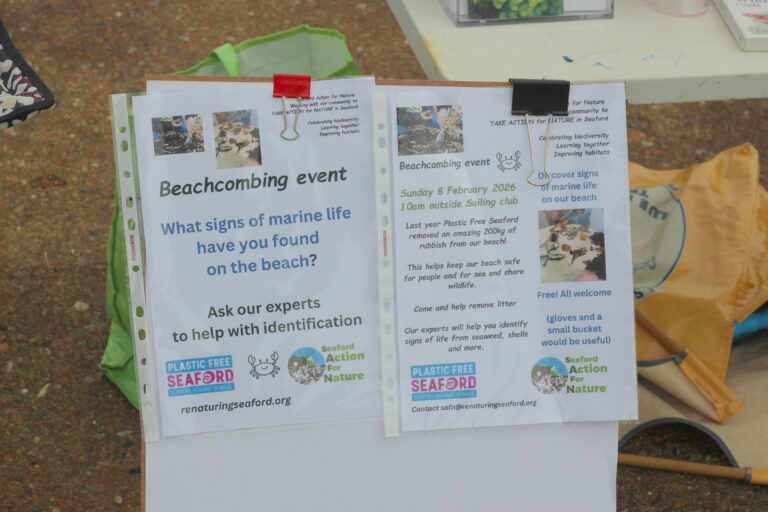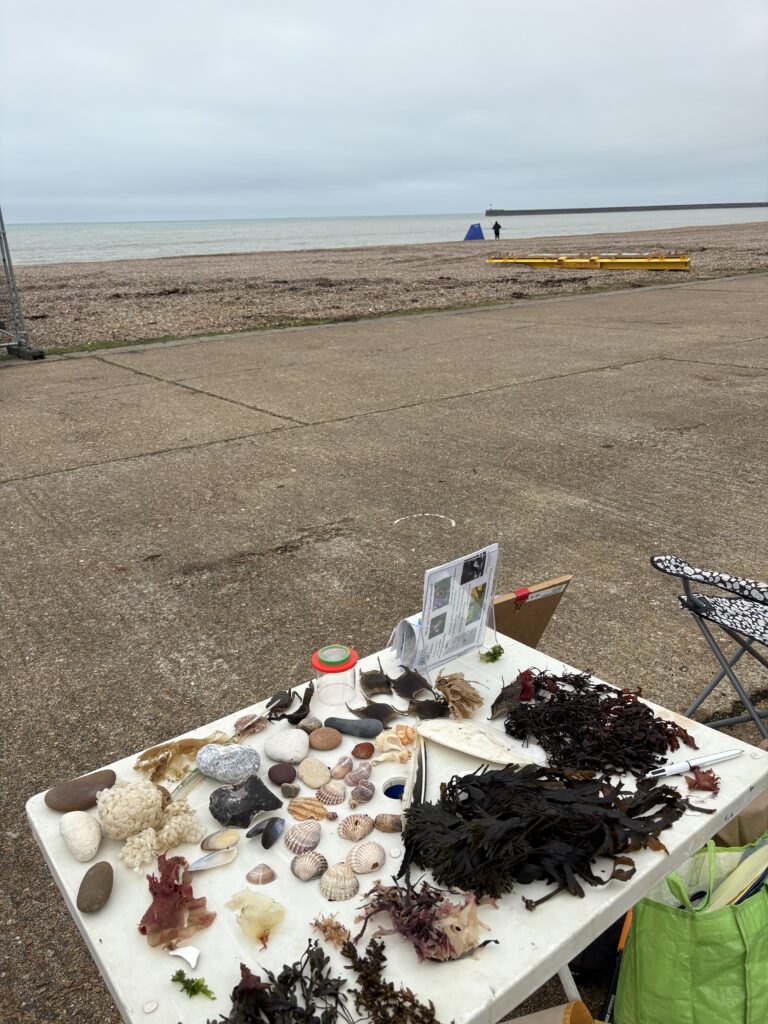

A Sunday in February and miraculously no rain! Time to join Plastic Free Seaford who were running a beach clean near the Sailing club, for a planned “beach combing” session.
Not only do Plastic Free Seaford (and Plastic Free Newhaven) organise monthly litter picks, but they also arrange for many of the plastic items that normally are thrown away, to be recycled. We met a representative from another group there too. Anglers National Line Recycling Scheme based in Newhaven explained how fishing tackle which can cause hazards for wildlife is being collected recycled into useful objects.
Why is it so important to clean our beach?
Coastal ecosystems are fragile and interconnected. Removing rubbish ensures a safe and healthy environment for the species that use it. This includes humans! Rubbish and pollutants can cause harm to our health, and if it gets into the sea it can contaminate the water and hence the safety of seafood harvested from our sea. Debris in our sea threatens our marine plants and creatures.
Today we encouraged people to search for or take a look at some of the evidence of wild plants and creatures from our sea and shore.
Seaweed
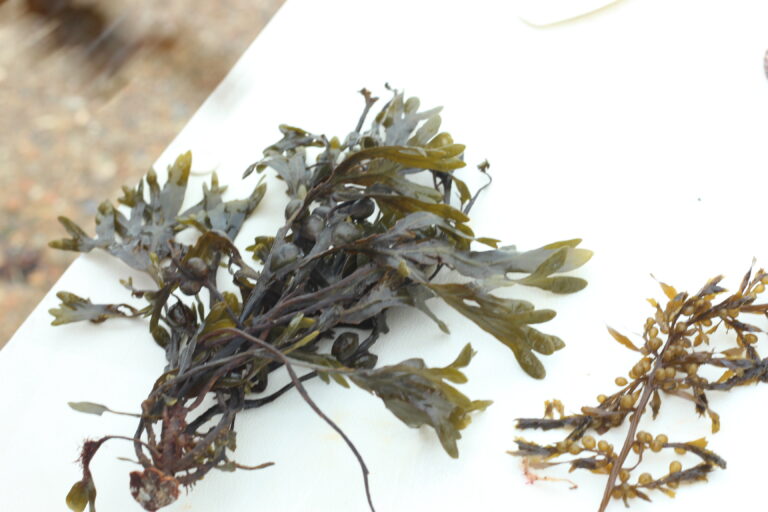
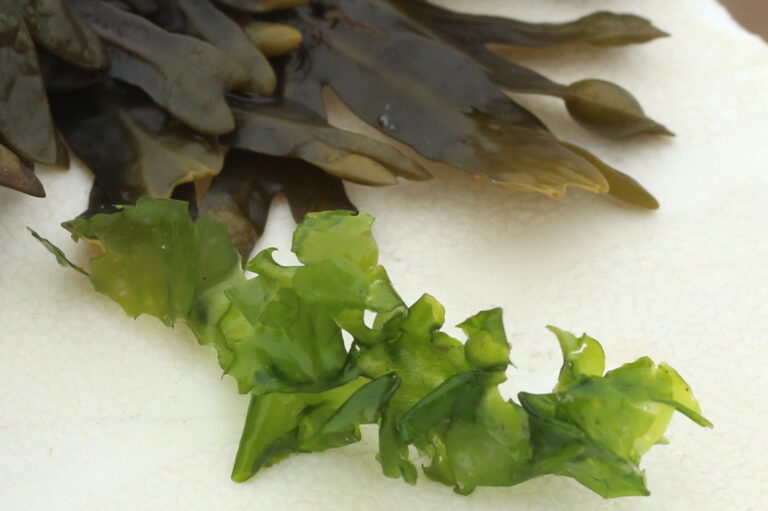
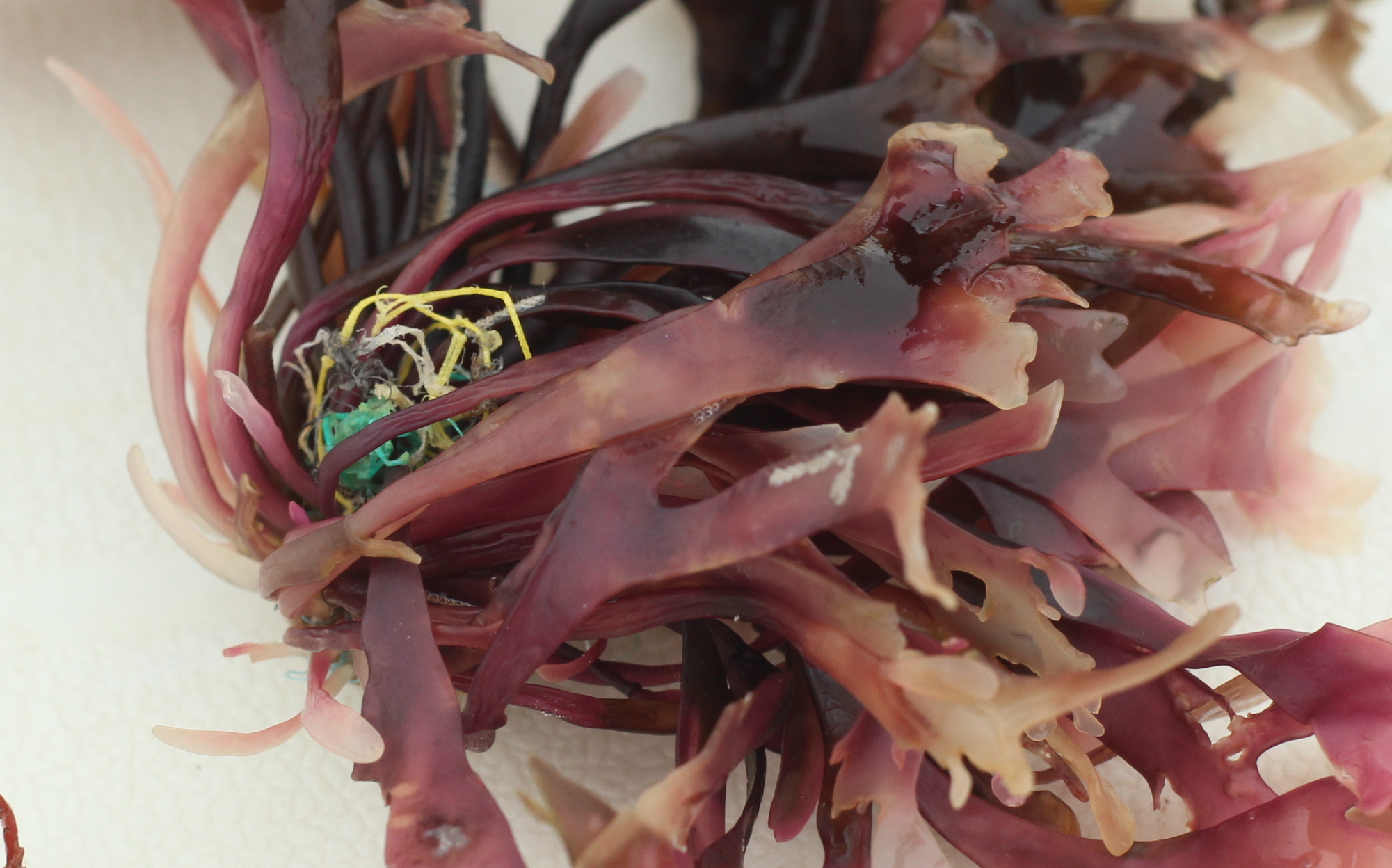
Our finds included several seaweeds. Bladder Wrack and Serrated Wrack are common brown seaweeds found on our shoreline. A pretty brown seaweed is Japweed, or Wireweed,(Sargassum muticum) a species that is becoming invasive in our waters.
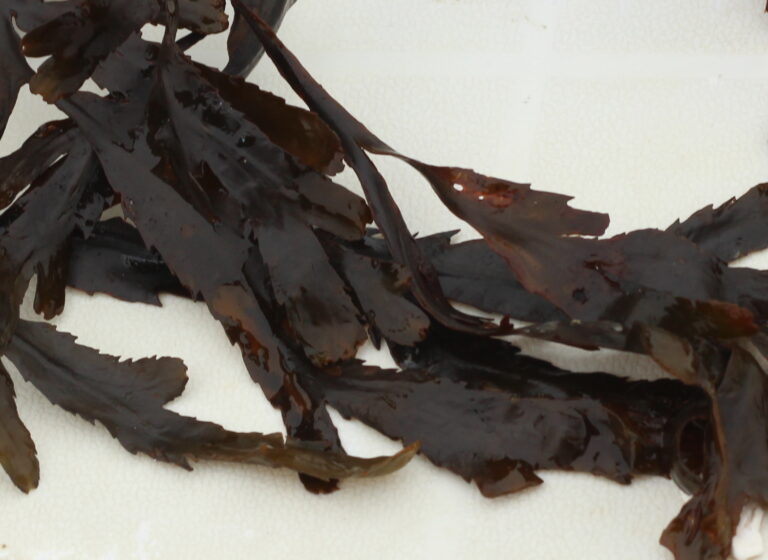
Red seaweeds come from deeper waters. Perhaps they have been churned up by the recent storms.
Shells
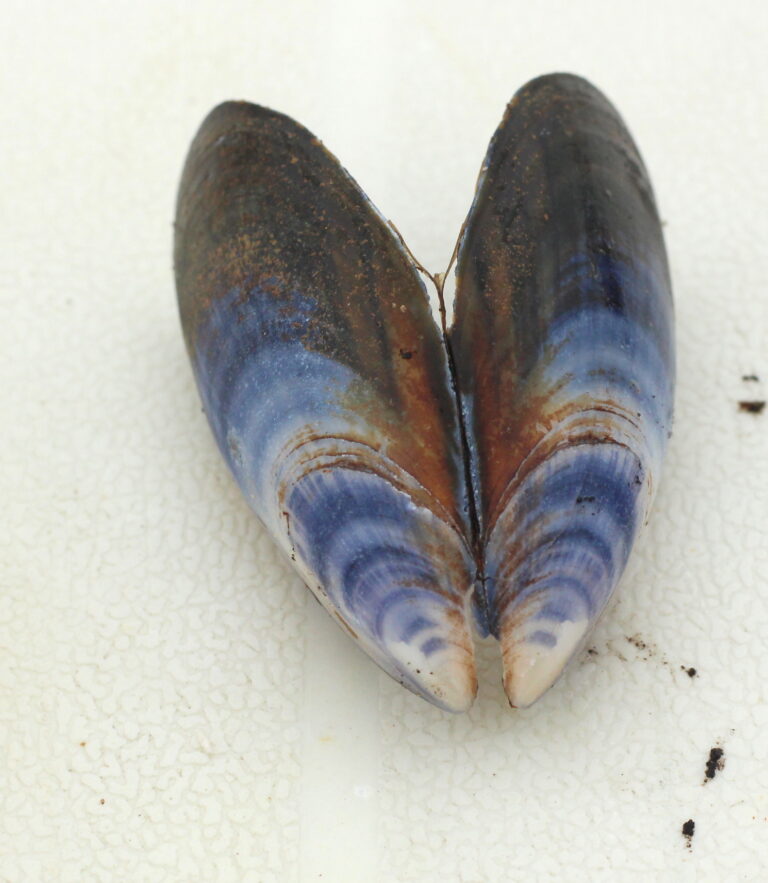
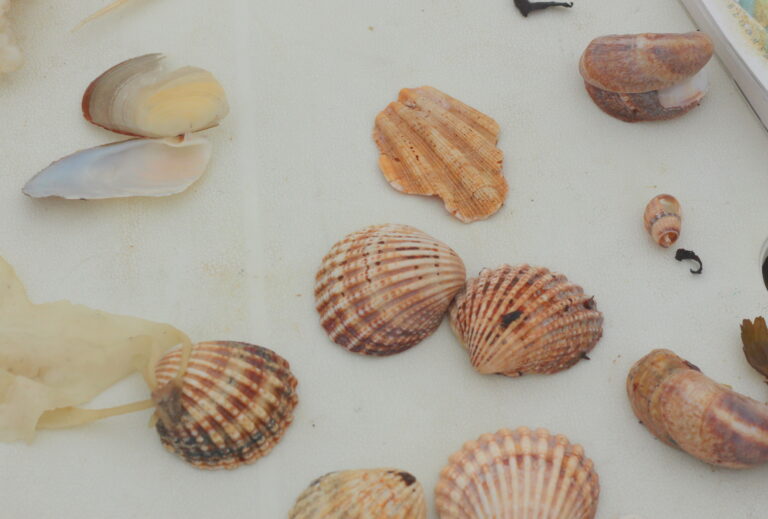
Shells found include Common mussel (Mytilus edulis), Common Cockle (Cerasoderma edule), Spiny Cockle (Acanthocardia aculeata) and more delicate Trough Shell (Mactridae). (all shown right).
Visitors were intrigued to learn more about the strange reproduction habits of the aptly named Slipper Limpets (Crepidula fornicata) that really do look like little slippers. They change from male to female as they get older.
Eggs and cases
The largest finds on our beach were the large cuttlefish” bones” or cuttlebones. These soft internal shells are common, but live cuttlefish, squid-like creatures with eight arms and two tentacles around their mouth, although common, are rarely seen stranded on the shore.
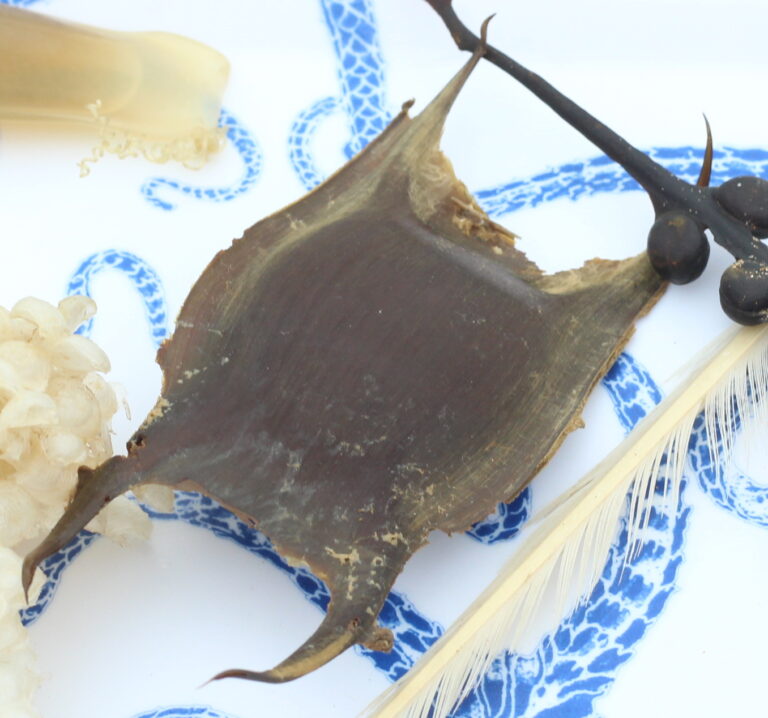
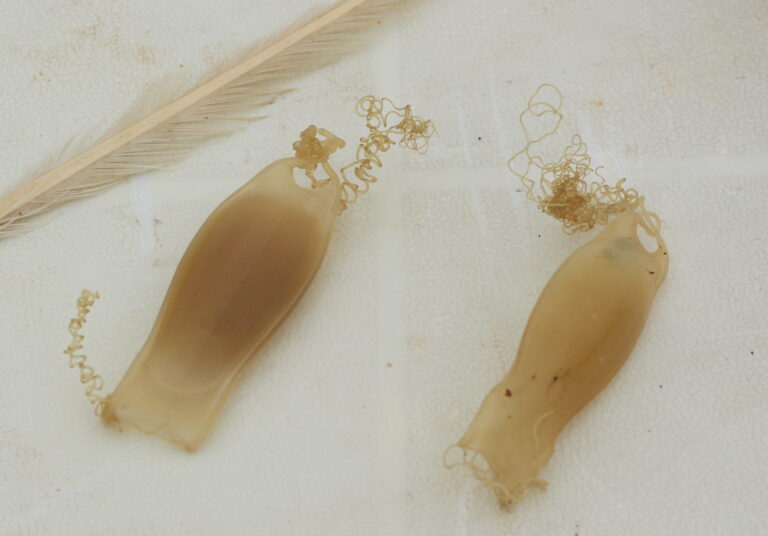
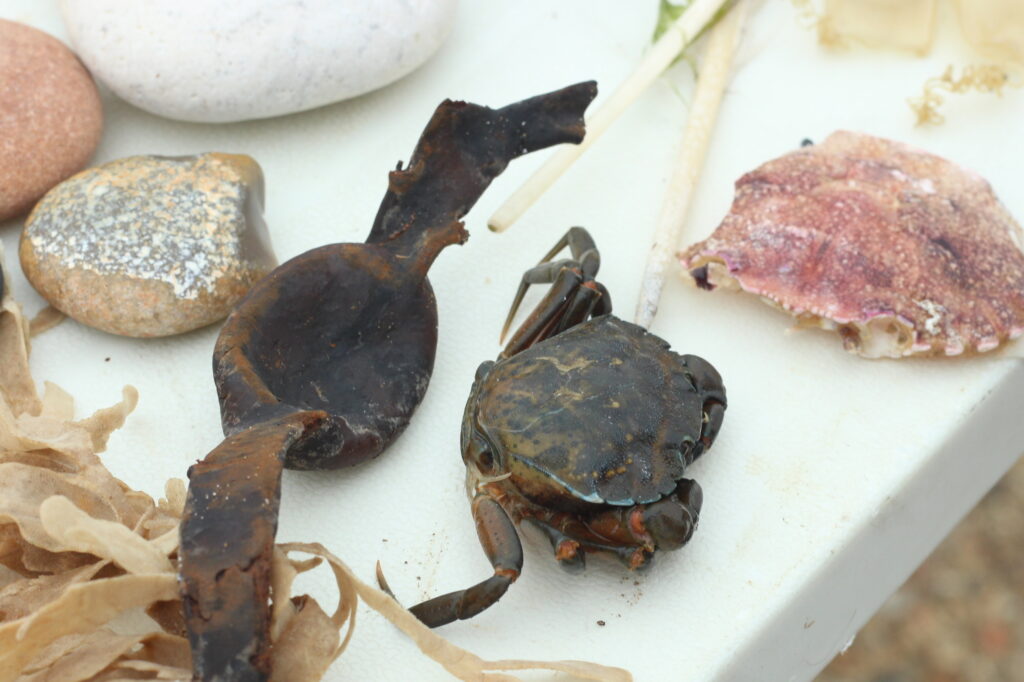
Mermaids purses are tough leathery protective cases, that once protected a young fish. Shark egg cases often have tendrils that help anchor them to seaweed etc, while skate/ray cases are rectangular with “horns” on each corner that help them hook onto seaweed or rocks. We found both types on the beach. If you find any of these the Shark Trust are keen to hear from you. They have identification guides on their website
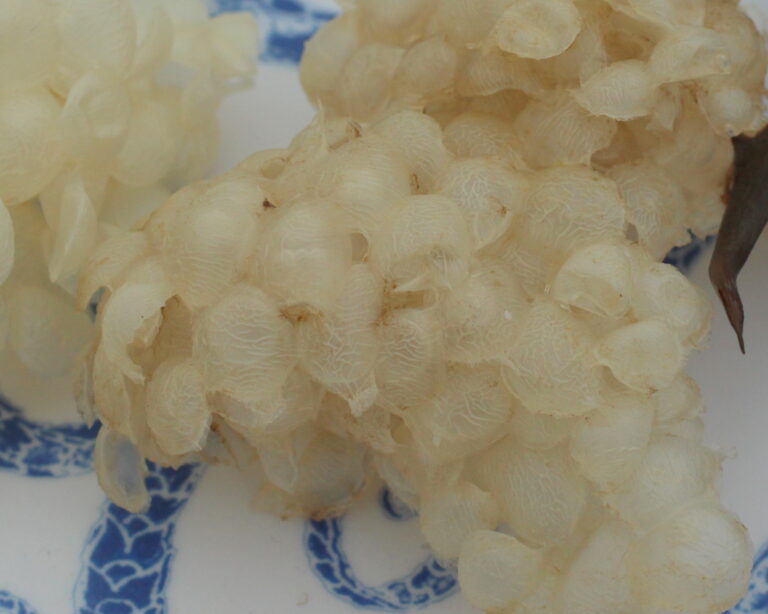
Our beachcombers also found Common Whelk (Buccinum undatum) egg cases, that look like a mass of small spongy balls. These would had been blown/thrown out of the sea. In some segments you could still see remnants of the egg fluid.
The rest
We also spotted interesting pebbles and rocks, a rather dead crab, feathers, pondweed (!), bark, ceramics and onion peel!
Onions, bags of oranges, polystyrene, insulation tins of fruit and chips have all been appearing on our coast over the last few weeks due to containers being lost at sea.
If you have been joining the many beach clean events to help clear the beaches of container debris, thank you!
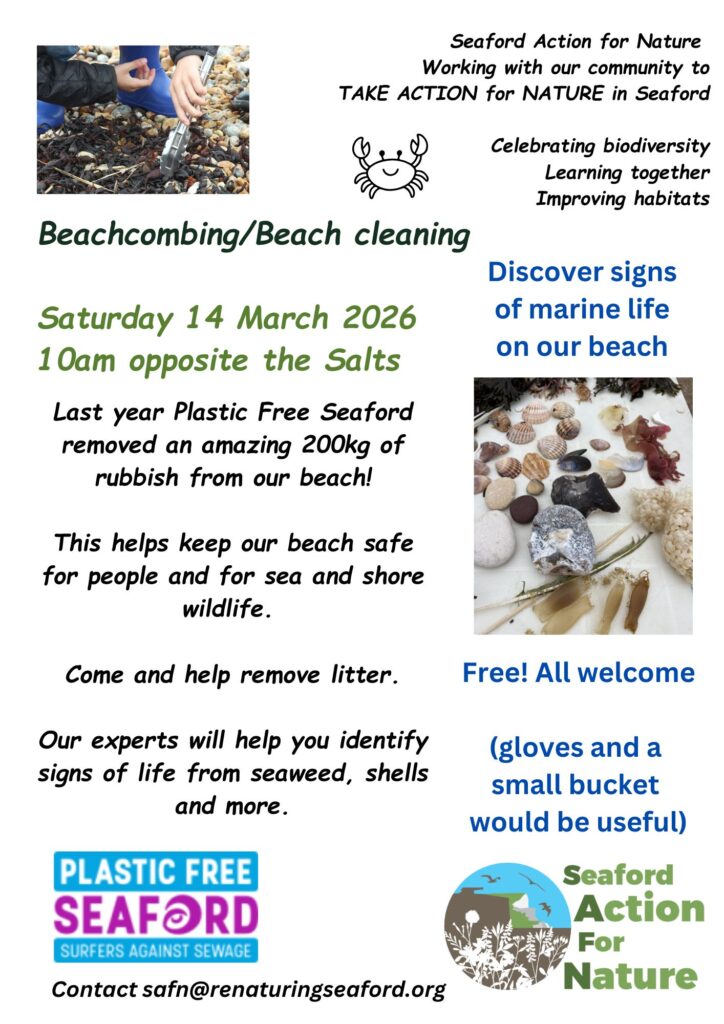
Plastic free Seaford are planning the next beach clean for Saturday 14 March. We hope to join them again then. Do come along to help and celebrate our coastal wildlife with our beachcombing experts. Hope to see you there
Seaford Action for Nature