We ask Dinah why is the document so important?
It’s not a jolly read and the data probably won’t surprise you.
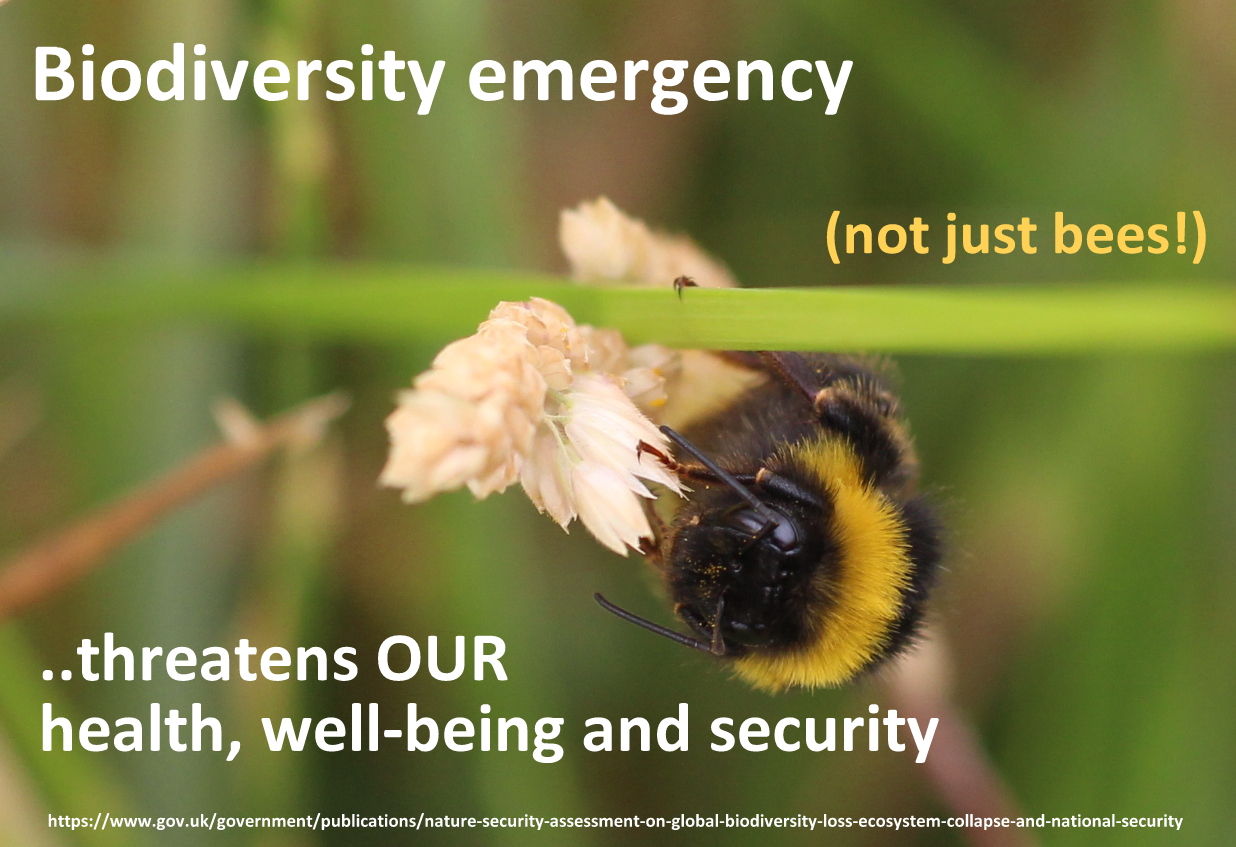
I think this government document is important in many ways, not least because it proves that biodiversity is integral to the health, well-being and security of the UK population.
If the primary role of government is to protect its citizens, then we need to know what the government is doing to increase the quite shocking loss of biodiversity in recent years.
In holding the government to account, I think the document is a useful myth buster, and in some cases against the myths that government ministers themselves spread. Do you remember Rachel Reeves and other Ministers arguing that preserving our bats and newts would be detrimental to growth? This couldn’t be further from the truth.
It is clear from this document that the popular saying, ‘there is no growth on a dead planet’, is perfectly true.
The Most Important Points in the Document:
- Global Ecosystem Degradation Threatens UK National Security
Ecosystem degradation and collapse are already causing crop failures, intensified natural disasters, and infectious disease outbreaks. These threats are expected to worsen, impacting UK national security and prosperity through food insecurity, economic instability, and geopolitical competition. - Critical Ecosystems for UK National Security
Ecosystems such as the Amazon rainforest, Congo rainforest, boreal forests, the Himalayas, and South East Asia’s coral reefs and mangroves are vital for global food production, climate regulation, and water cycles. Their collapse would have catastrophic consequences, including water scarcity, reduced crop yields, fisheries collapse, and exacerbated climate change. - Cascading Risks and Global Impacts
Ecosystem degradation can trigger cascading risks, such as geopolitical instability, migration, conflict, and competition for resources. For example, the collapse of tropical rainforests could lead to widespread water and food shortages, increasing global tensions and security risks. - UK Food Security Vulnerabilities
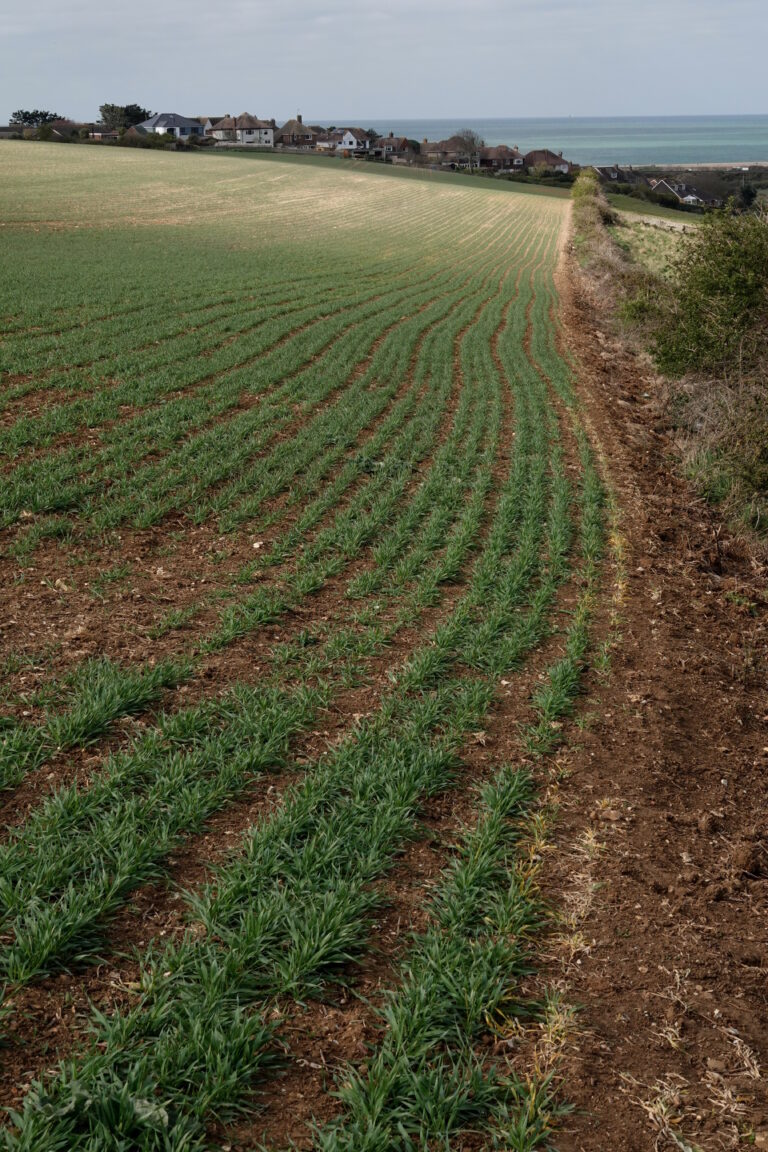
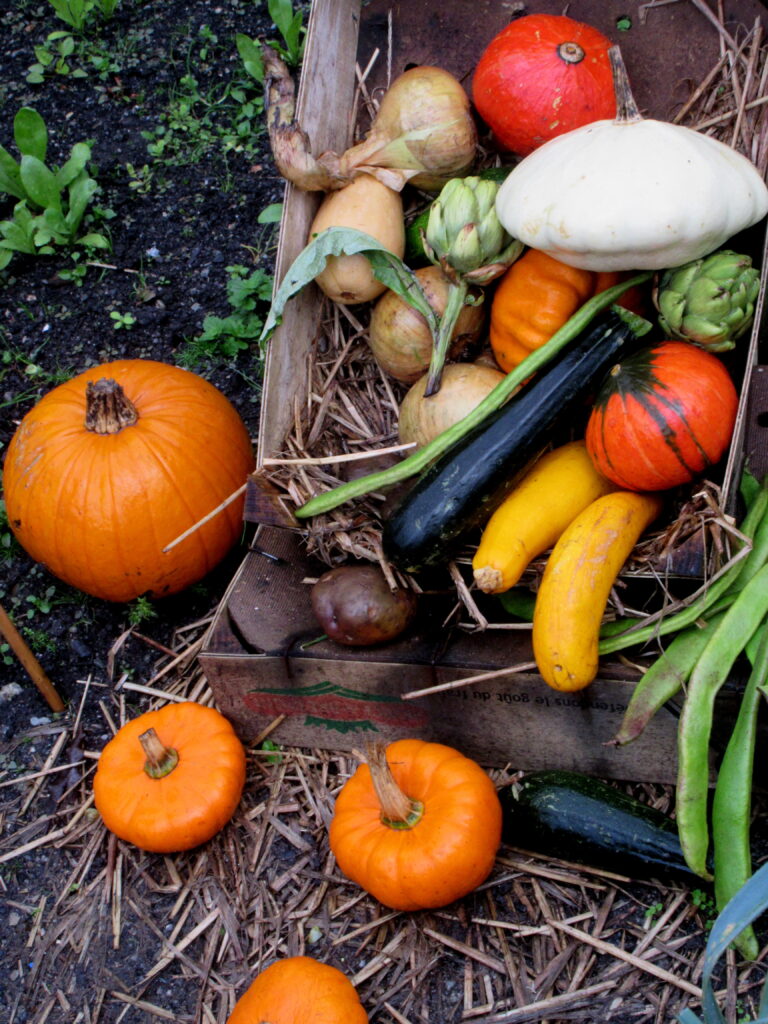
The UK relies heavily on imports for food and fertiliser, making it vulnerable to disruptions in global markets caused by ecosystem collapse. The UK cannot currently produce enough food to sustain its population, and significant changes in consumer diets and agricultural practices would be required to achieve self-sufficiency. - Urgent Need for Global Action
Halting and reversing biodiversity loss requires immediate and significant intervention, including protecting and restoring ecosystems, reducing harmful human impacts, and meeting international agreements like the Kunming-Montreal Global Biodiversity Framework and the Paris climate agreement. Without action, some ecosystems may begin collapsing as early as 2030.
Dinah Pryor
What can everyone do here in Seaford?
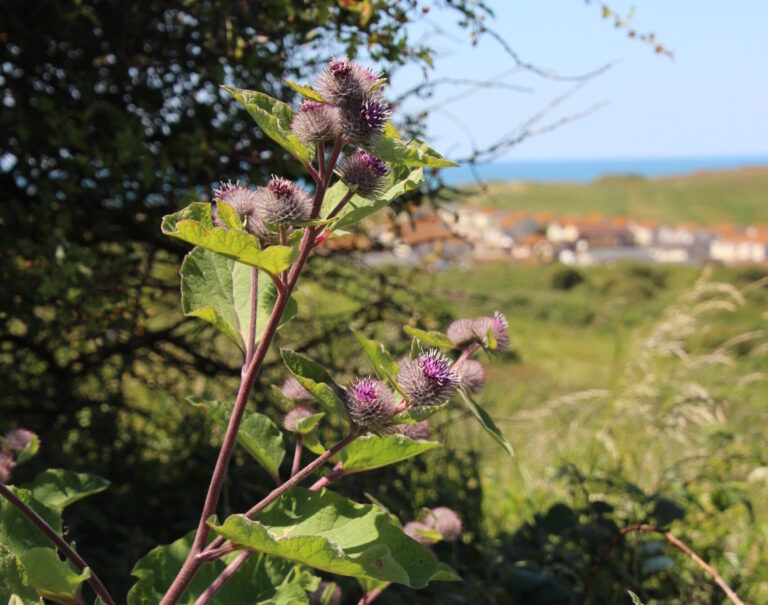
We can use some of this information when we’re encouraging people to garden for wildlife.
When SAFN works with schools to develop the school grounds, we can talk to children about how important the same insects are for growing food crops as the ones feeding on the plants in the flower beds.
We will be doing that in March this year again when we provide pollinator plants for our Seaford schools.
What can you do here in Seaford?
Ask your local councillors, and government how they are going to take this report seriously and take action to save our planet secure our future.
If you have a garden, try and increase biodiversity. More ideas
here
Spread the word and share your love of nature with children and young people, before our species start to vanish.
Consider a
plant based diet, or a reduced meat diet. Consider the food miles of your food, and your environmental footprint when you travel, or purchase things.