Bishops and beasts in the field

You are currently viewing Bishops and beasts in the field

Did you know there are bishops and beasts in the Pump field?

 We were delighted to be led on some fascinating bug hunts by some local children as part of our new “Junior Seaford Action for Nature” group.

It became apparent that this enthusiastic group of children were going to be brilliant at finding life in this lovely field. Firstly the kids had loads of energy, much better eyesight than us oldies, and they found it much easier to crouch down low in the grass to find some absolutely tiny creatures that we would have missed otherwise! The field was absolutely jumping with insect life. Fantastic to see.

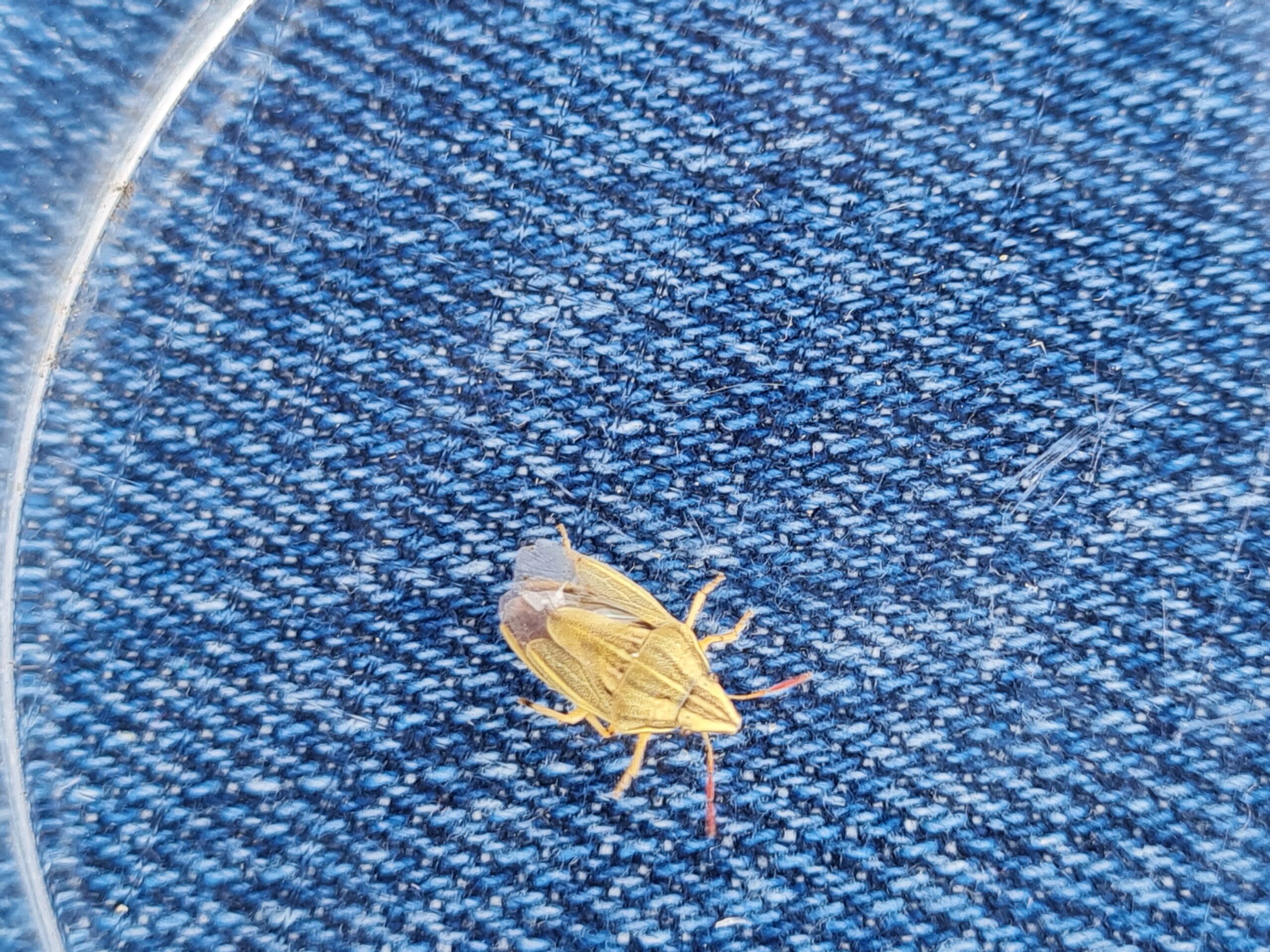
Above and right is a Bishop’s Mitre Shieldbug. which was a new one for us! This has a pointed nose and a ridged pronotum. (Apparently the pronotum is the prominent, plate-like structure that covers all or part of the thorax behind the head. This “shield” or “collar” plays a vital role in insect identification, camouflage, and muscle attachment)

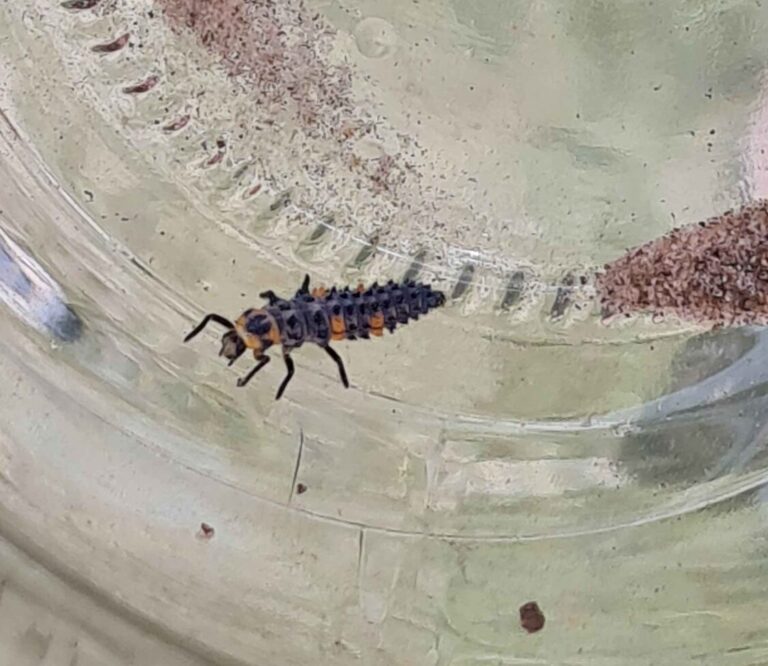
You might be surprised to know, this amazingly fierce looking creature (right) is actually the larvae of a ladybird! Looking more like tiny, spiky alligators, these larvae are typically black or dark grey with striking orange, yellow, or white markings. They are voracious predators that devour hundreds of soft-bodied garden pests like aphids, mites, and scale insects.

The kids also found a click beetle. You might think it was a deceased click beetle. However these creatures have a very clever trick to avoid being eaten. When touched or threatened, they fall onto their back, tuck in their legs and antennas and pretend to be dead! Some predators like birds and spiders prefer to eat live prey, so this strategy means they can escape becoming dinner! This clever behaviour is called thanatosis!

As usual we all learned something in the field today, and we will be sure to record the sightings on irecord so they can add to the local biodiversity dataset.

If your children do any bug hunting, do let us know what you have spotted.

These sessions are a joint venture between Greenhavens and Seaford Action for Nature. If you would like your children to join the next event (normally the last Friday of the month) please get in touch with Jessie.

coordinator@greenhavens.network


Bishop's mitre shieldbug, above and header photo
Ladybird larvae - a fierce predator!
Click beetle demostrating thanatosis