
Sowing seeds of hope?
Now the year is coming to an end and our wildflowers and garden plants are bearing fruit.
Sometimes we are harvesting actual edible fruit and the hedgerows seem to be bursting with blackberries and sloes!
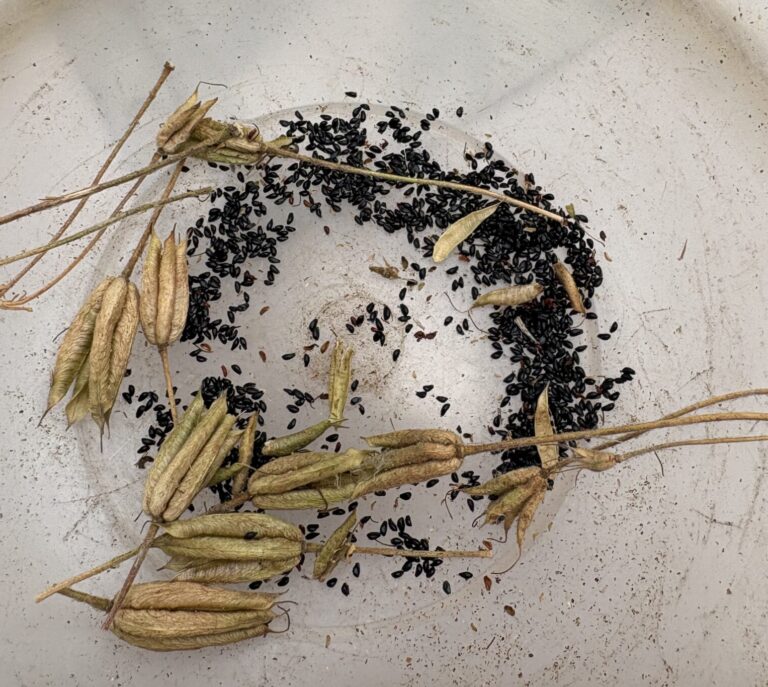
Most flowering plants reproduce by producing fruiting bodies and ultimately seeds that ensure survival of the species. It’s extraordinary the different ways that plants produce and disperse seeds. There is also huge variation in the shape, size, colour and texture of seeds – some of the largest species can have the smallest seeds – barely the size of dust!
Seeds for a sustainable garden
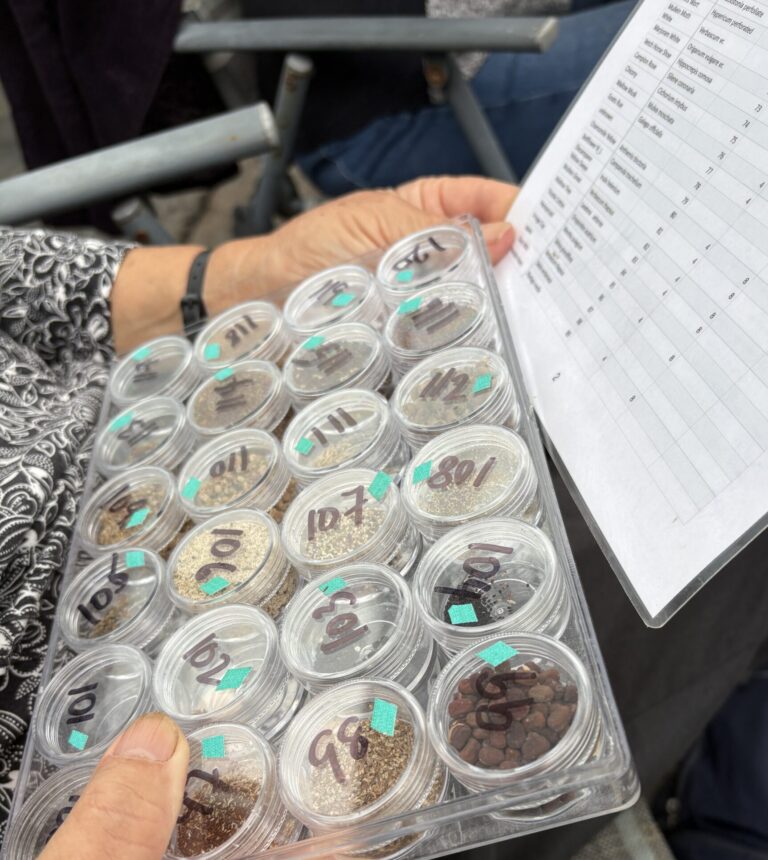
Last week I learned a lot more about wildflower seeds on a course at the fantastic Wildflower Conservation Society based at Stanmer park. This session was with some of the volunteers from the Cliff Gardens Project and funded by the Ouse Valley Climate Action fund. It taught us how to collect, process, store and propagate locally collected seeds.
By being able to do this we hope to ensure the new garden is sustainable long term, with local plants being nurtured and added to the garden if there are gaps next year.
It was a brilliant, fascinating and fun session and we all learned a lot! It inspired me to go round my garden hunting for seeds to save!
You can find out more about the Cliff gardens project here and on their new website here
Junior Rangers spot seedheads and more
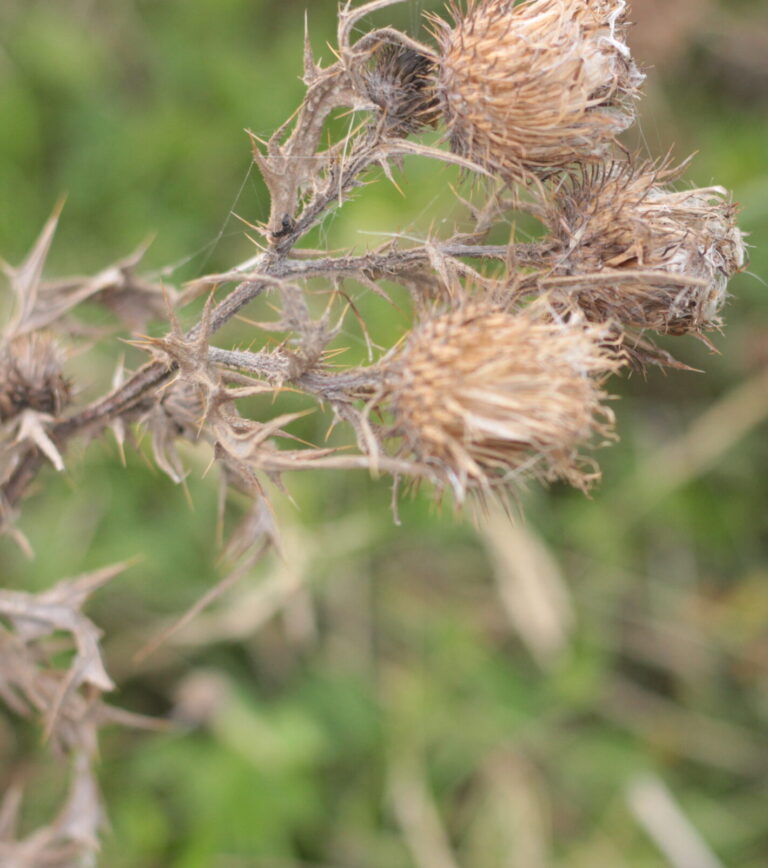
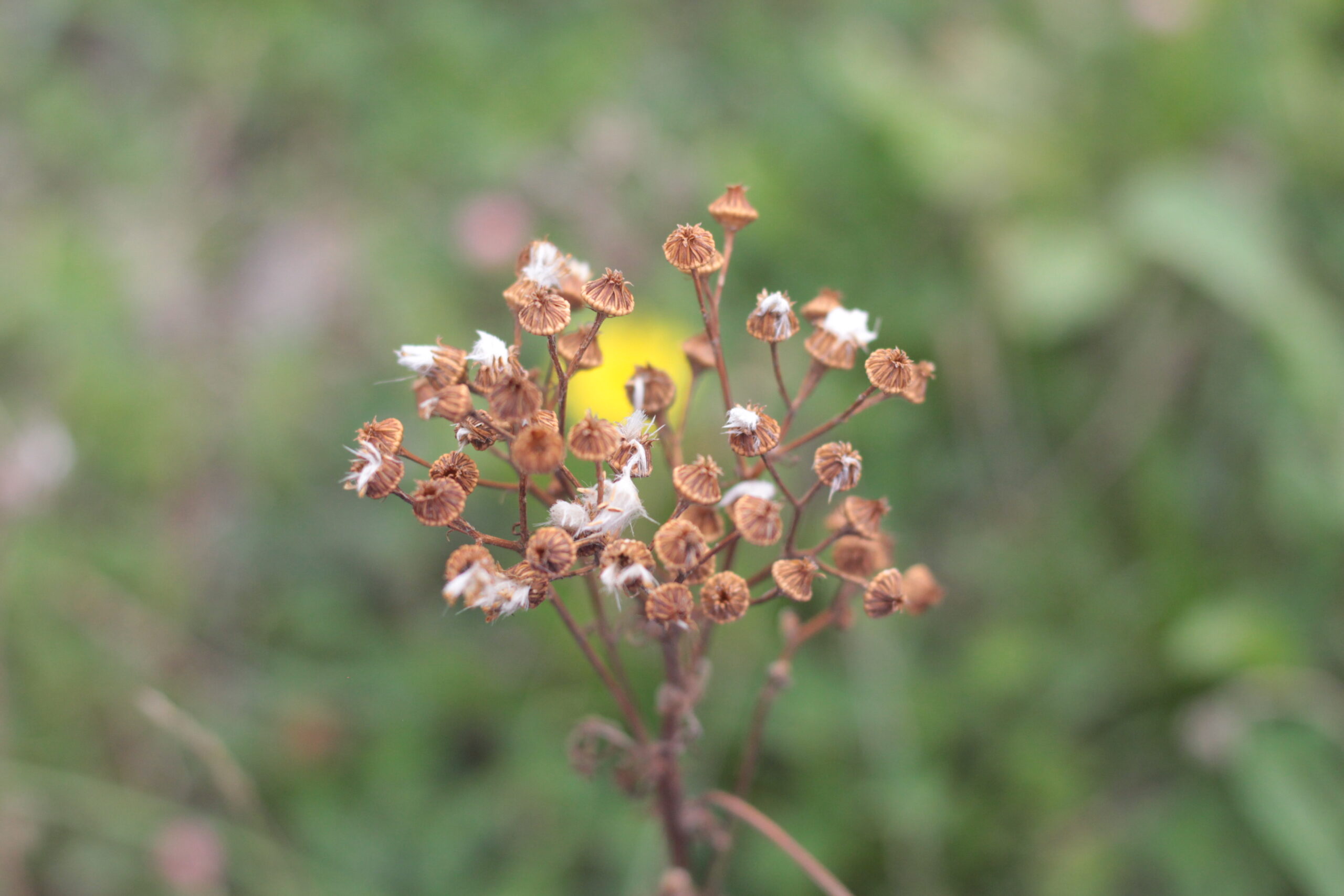
At the end of that week the junior ranger group were also looking at seeds. Mike had devised a quiz where children tried to find flowers and seed heads in the Pump field, and to try and match the seeds to the plants! Not as easy as you might think!
We all learned a bit about seed dispersal, and Sheba the Labrador was very obliging demonstrating how some seeds disperse by clinging to the fur (or clothes) of passers by!
Others like dandelions blow away in the wind, and some like berries are swallowed by birds and dispersed in their droppings.
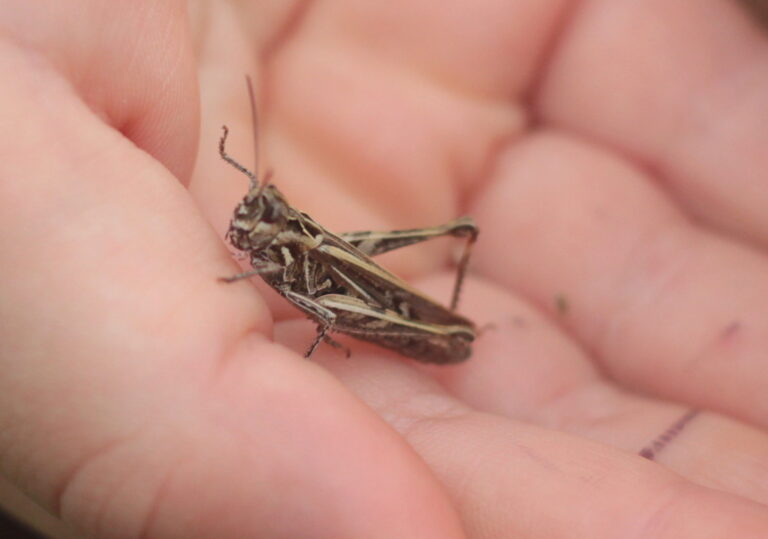
The Pump field is looking very different to the group’s first visit and there were still grasshoppers were hopping around, and common blue butterflies still flitting above.
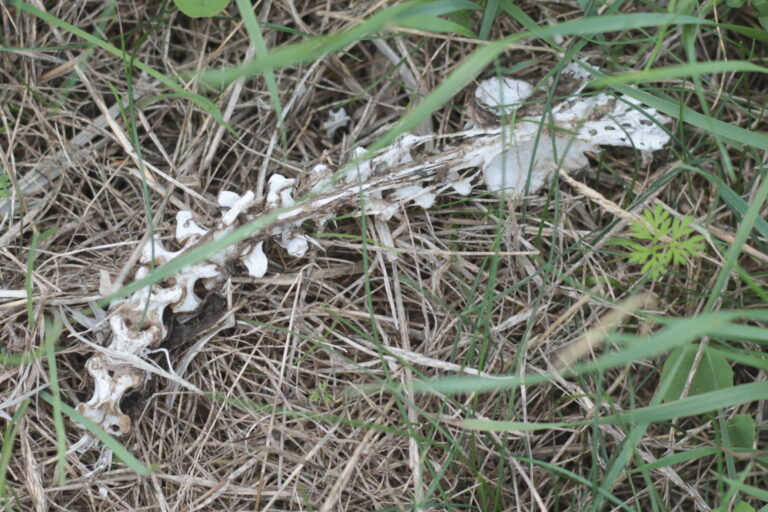
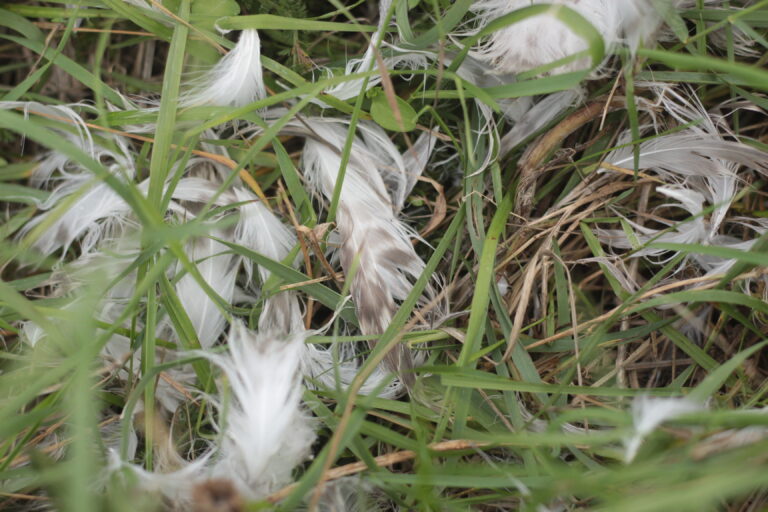
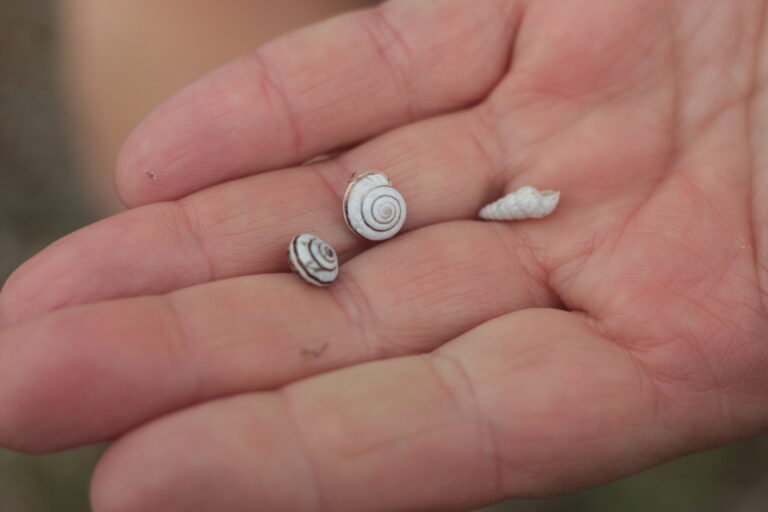
In the bushes there were webs with tiny caterpillars moving around, and we also spotted a skeleton (a bird?) and a mass of feathers. Sadly we found a mass of tiny beautiful snail shells. We guessed that the snails had died after the drought conditions, but we still found a few live ones deep in the vegetation that was coming back green after some rain.
If your children would like to join the Junior Rangers who meet on one Friday afternoon a month, you can find out more details here.
Seed sovereignty
In the evening I was pleased to come along to the Greenhavens AGM meeting, which included a fascinating talk by Ruth Segall talk on seed systems policy and her work with the Gaia Foundation on practical ways of seed saving in the UK. You can read more about this important issue here
“One hundred years ago, not a single seed was owned, by anyone. Today, seeds are one of the most controlled commodities in the world. 75% of the world’s food now comes from just 12 plant species – geared toward large-scale monoculture and reliant on chemicals – down from the thousands we once relied on.”
It’s so important that we try and preserve and share our native seeds, which is why local seed swap events are so valuable. The biggest ones are in February, for example this one in Brighton and this one in Lewes.
Seeds for wildlife!
Don’t forget that you normally need the permission of the landowner before collecting seeds and other plant material and some specific plants and locations have other restrictions, or reporting requirements. You can check out the helpful BSBI code of conduct here.
If you are collecting seeds in your garden, don’t forget to leave some seeds and seed heads for wildlife. It was amazing how many tiny creatures crept out of the seedheads I harvested. There is a great article about this on the Greenhavens website here.
In the meantime do make the most of the September sunshine and take a moment to reflect on those beautiful seedheads and the life inside them.
Judy, Seaford Action for Nature